Taiwan Reintroduces Anti-Communist Military Training After 24 Years
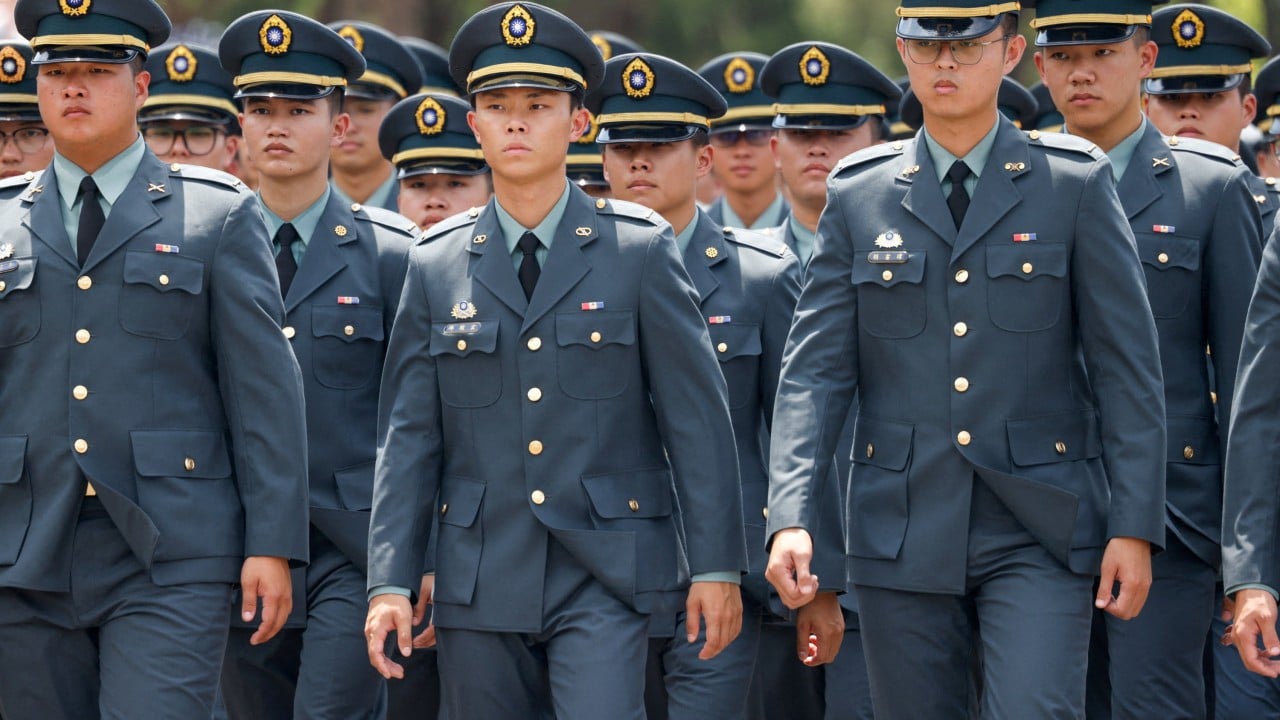
Taiwan has reinstated its "anti-communist patriotic education" program for military academy graduates, marking its return after a 24-year absence. This decision stems from heightened concerns about Beijing's attempts to infiltrate Taiwan's armed forces, particularly following several espionage incidents involving military personnel. The mandatory five-day course commenced on July 1 for graduates from Taiwan's eight military academies. Originally established in 1965, the program was rebranded as "patriotic education" in 2002. The revival of its original name signifies a renewed emphasis on ideological defense in response to perceived external threats.
The reintroduction of "anti-communist patriotic education" highlights Taiwan's strategic response to escalating geopolitical tensions and perceived threats from mainland China. This initiative reflects a broader trend of nations reinforcing national identity and ideological cohesion in the face of external pressure. The program's revival, after a significant hiatus, suggests a recalibration of security priorities, emphasizing ideological resilience alongside conventional military readiness. Such educational programs, while aimed at bolstering national security, can also influence public discourse and international perceptions of cross-strait relations, potentially impacting diplomatic efforts and regional stability. The long-term efficacy will depend on balancing patriotic messaging with the evolving geopolitical landscape and the technological advancements shaping future defense strategies.
AI-generated to prompt reflection — not editorial opinion, not advice, not a statement of fact. How this works.