Taiwan's Lai Urges Party to Resist 'Red Terror', Citing Beijing's Pressure
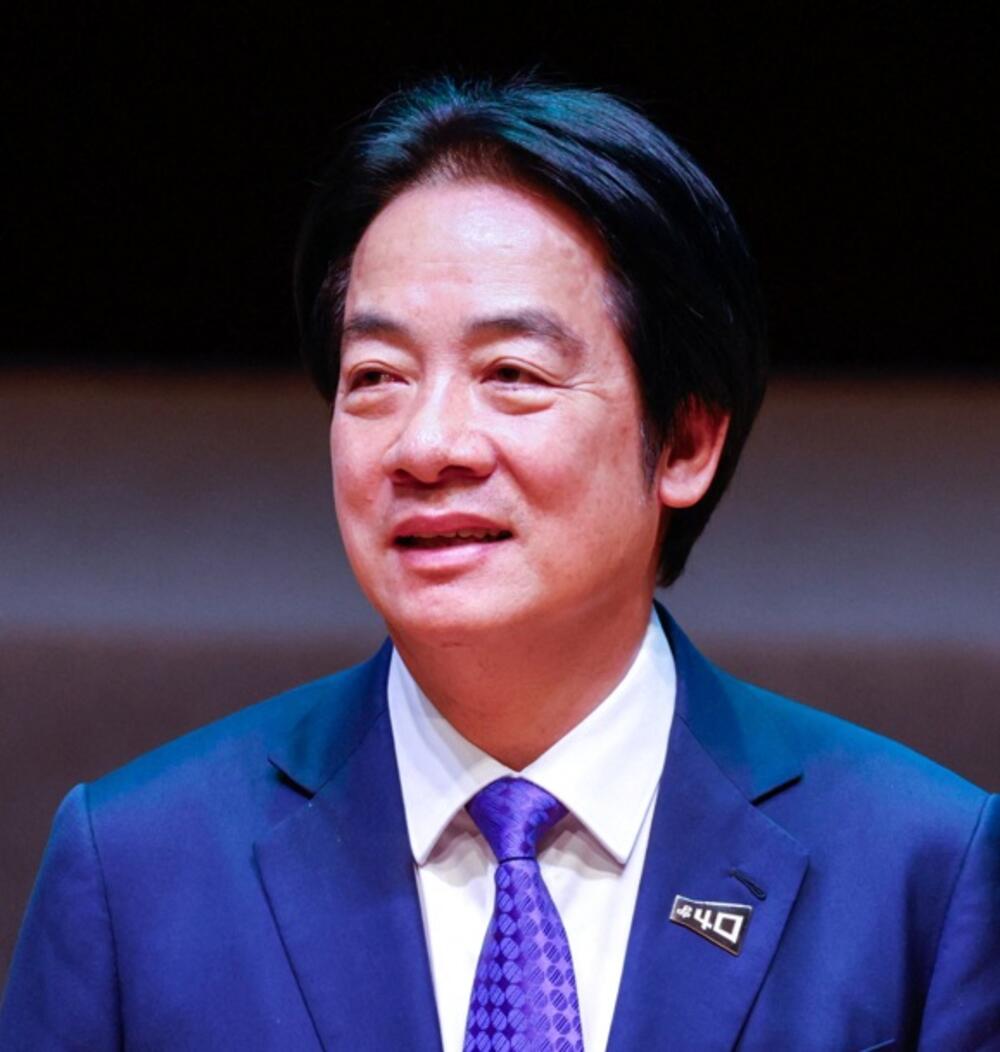
Taiwan's President Lai Ching-te, who was elected two years ago, and his ruling Democratic Progressive Party (DPP) advocate for Taiwan's distinct identity, separate from China. This stance frequently provokes anger from Beijing, which considers the island an inseparable part of Chinese territory. Lai has called on DPP members to stand firm against what he describes as 'red terror.' This term likely refers to perceived threats and pressures emanating from mainland China aimed at undermining Taiwan's sovereignty and democratic system. The DPP's commitment to maintaining Taiwan's autonomy and unique political system remains a central tenet of their platform. Beijing's consistent assertion of its claim over Taiwan creates ongoing geopolitical tension in the region. The president's remarks signal a resolve to counter these external influences and protect Taiwan's self-determination.
The assertion of a distinct Taiwanese identity by President Lai and the DPP, in contrast to Beijing's territorial claims, highlights a fundamental divergence in political sovereignty and national self-perception. The reference to 'red terror' likely encapsulates concerns over information warfare, economic coercion, and diplomatic isolation tactics employed by Beijing. From a systems perspective, this dynamic reflects the inherent tension between a state seeking to preserve its de facto independence and a rising power asserting its historical claims. Navigating this requires a delicate balance of deterrence, international engagement, and domestic resilience, particularly as technological advancements in areas like AI could amplify both persuasive and coercive statecraft in the coming decade. The challenge lies in fostering sustainable security and economic prosperity for Taiwan while managing the geopolitical risks posed by its powerful neighbor.
AI-generated to prompt reflection — not editorial opinion, not advice, not a statement of fact. How this works.