Taiwan's Toxic Oil Scandal: Carcinogenic Salad Oil Reaches Major Supermarkets, Food Safety System Fails
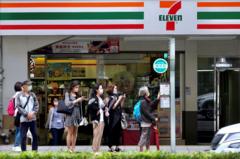
A food safety scandal has erupted in Taiwan involving carcinogenic salad oil that has infiltrated major supermarket chains. The incident highlights significant loopholes in the product inspection mechanism. Initially, in April, a sample from the producer did not exceed safety limits. However, by May, a downstream operator's self-inspection revealed that the oil had exceeded acceptable levels. Instead of immediate reporting, the issue was only progressively communicated up the supply chain. Regulatory authorities were not notified until the end of June, creating a critical "window period" of over 50 days. This delay allowed the contaminated oil to spread throughout the island before any official action could be taken.
The prolonged delay in reporting and regulatory intervention suggests potential systemic weaknesses in Taiwan's food safety oversight. The extended "window period" between the discovery of contamination and official notification allowed a hazardous product to reach consumers, raising questions about the responsiveness and communication protocols within the supply chain and between private entities and government agencies. Future improvements may focus on mandating immediate reporting of critical safety violations, enhancing real-time monitoring capabilities, and establishing clearer accountability frameworks to prevent similar public health risks.
AI-generated to prompt reflection — not editorial opinion, not advice, not a statement of fact. How this works.