Taiwan Tightens Election Eligibility for Mainland Spouses
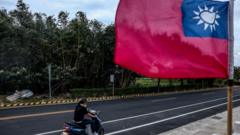
Taiwan has implemented a stricter requirement for mainland Chinese spouses (陸配, lu pei) seeking to run for public office. Previously, they needed to be registered residents in Taiwan for ten years. The new regulation mandates that they must have been deregistered from mainland China for ten years, a more stringent condition than the existing Cross-Strait Act's ten-year residency requirement. The Mainland Affairs Council (MAC) of Taiwan stated that this measure aims to address the root cause and prevent public officials from holding dual identities. In response, China's Taiwan Affairs Office (TAO) criticized Taiwan's move, accusing it of manipulating household registration rules to suppress mainland spouses.
This policy shift by Taiwan introduces a significant hurdle for mainland Chinese spouses wishing to participate in public elections, ostensibly to prevent dual citizenship conflicts. The stricter deregistration requirement, rather than simply a longer residency period, suggests a deliberate move to ensure a clearer separation of national allegiances for candidates. Beijing's strong condemnation frames this as political suppression, highlighting the ongoing geopolitical tensions and differing interpretations of citizenship and residency rights across the Taiwan Strait. The long-term implications may involve further complicating cross-strait relations and potentially impacting the integration of mainland spouses within Taiwanese society, while also raising questions about the balance between national security concerns and inclusive democratic participation.
AI-generated to prompt reflection — not editorial opinion, not advice, not a statement of fact. How this works.