Tajikistan: Child Marriages Persist Despite Legal Ban Due to Judicial Exceptions
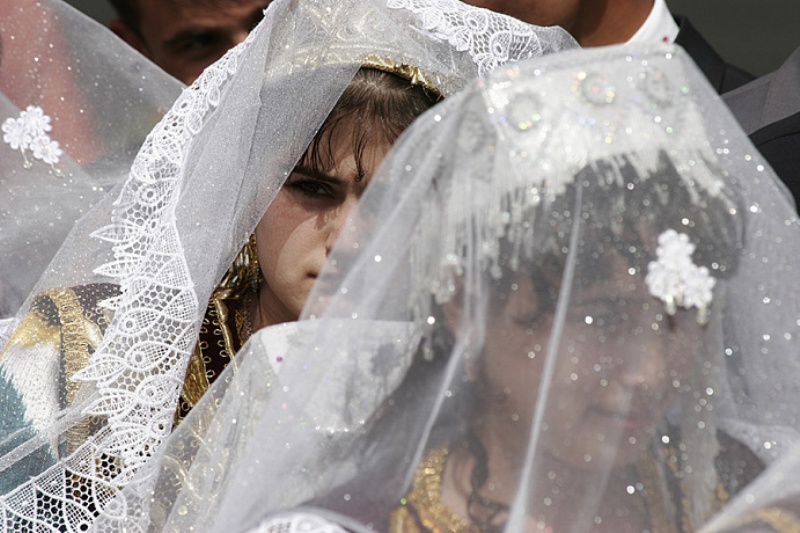
Despite a legal prohibition against marrying minors, child marriages continue to occur in Tajikistan. The law permits exceptions, and courts frequently grant these requests, allowing underage individuals to marry. This practice has led to early unions remaining a reality for many young people in the country.
The legal framework, while ostensibly banning child marriage, contains provisions that allow for deviations from the standard age requirements. These exceptions are often invoked by families seeking to marry off their underage children. Judicial bodies, including the courts, have shown a tendency to accommodate these family requests, effectively undermining the spirit and intent of the law.
This analysis delves into the mechanisms through which this practice operates and explores the reasons behind the persistence of early marriages. The interplay between legal loopholes and judicial discretion appears to be a significant factor in perpetuating this issue, raising concerns about the protection of minors' rights and well-being in Tajikistan.
The persistence of child marriages in Tajikistan, despite legal prohibitions, highlights a common governance challenge where statutory law conflicts with customary practices or perceived familial needs. The judicial system's role in granting exceptions suggests a potential tension between enforcing legal mandates and accommodating social pressures or interpretations of tradition. This dynamic raises questions about the effectiveness of legislative measures when judicial discretion can override them. Future policy considerations might involve clarifying or restricting such exceptions, enhancing judicial training on international child protection standards, or implementing robust enforcement mechanisms to ensure the law's intent is upheld, thereby safeguarding the long-term developmental and societal implications for affected minors.
AI-generated to prompt reflection — not editorial opinion, not advice, not a statement of fact. How this works.