Takaichi's Fiscal Policy: A Gamble on Growth Amidst Challenges
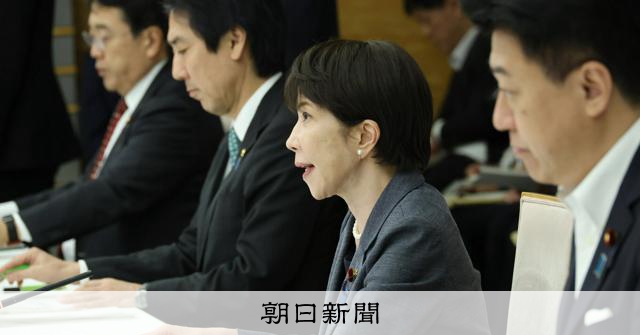
Japan's economic strategy, often referred to as "Takaichi Fiscal Policy," is characterized as a gamble heavily reliant on economic growth. This approach faces a difficult future, raising questions about how to fulfill genuine fiscal responsibility. The policy's success is contingent on achieving robust economic expansion, which is uncertain given current global and domestic economic conditions. Analysts suggest that this reliance on growth may not be a sustainable long-term solution for Japan's fiscal health. The path forward is fraught with potential obstacles, including demographic shifts and global economic volatility. The core challenge lies in balancing ambitious growth targets with the need for prudent financial management. Finding a true path to fiscal responsibility requires a more diversified and resilient economic strategy. The current approach risks exacerbating existing vulnerabilities if growth projections do not materialize. Therefore, a critical re-evaluation of the underlying assumptions and a potential pivot towards more stable fiscal measures may be necessary.
The "Takaichi Fiscal Policy" appears to prioritize economic growth as the primary mechanism for fiscal improvement. This strategy, while potentially rewarding, carries inherent risks due to its dependence on future growth rates which are subject to numerous unpredictable factors. Such a reliance can create a vulnerability where a shortfall in growth directly impacts fiscal stability, potentially necessitating austerity measures or further borrowing. Moving forward, a more robust fiscal framework might consider diversifying revenue streams and controlling expenditure more rigorously, rather than solely banking on optimistic growth scenarios. This approach would enhance resilience against economic downturns and ensure greater fiscal predictability over the long term, aligning with principles of sustainable governance.
AI-generated to prompt reflection — not editorial opinion, not advice, not a statement of fact. How this works.