Takeaway Meals Exceed Advertised Salt Content, Study Reveals
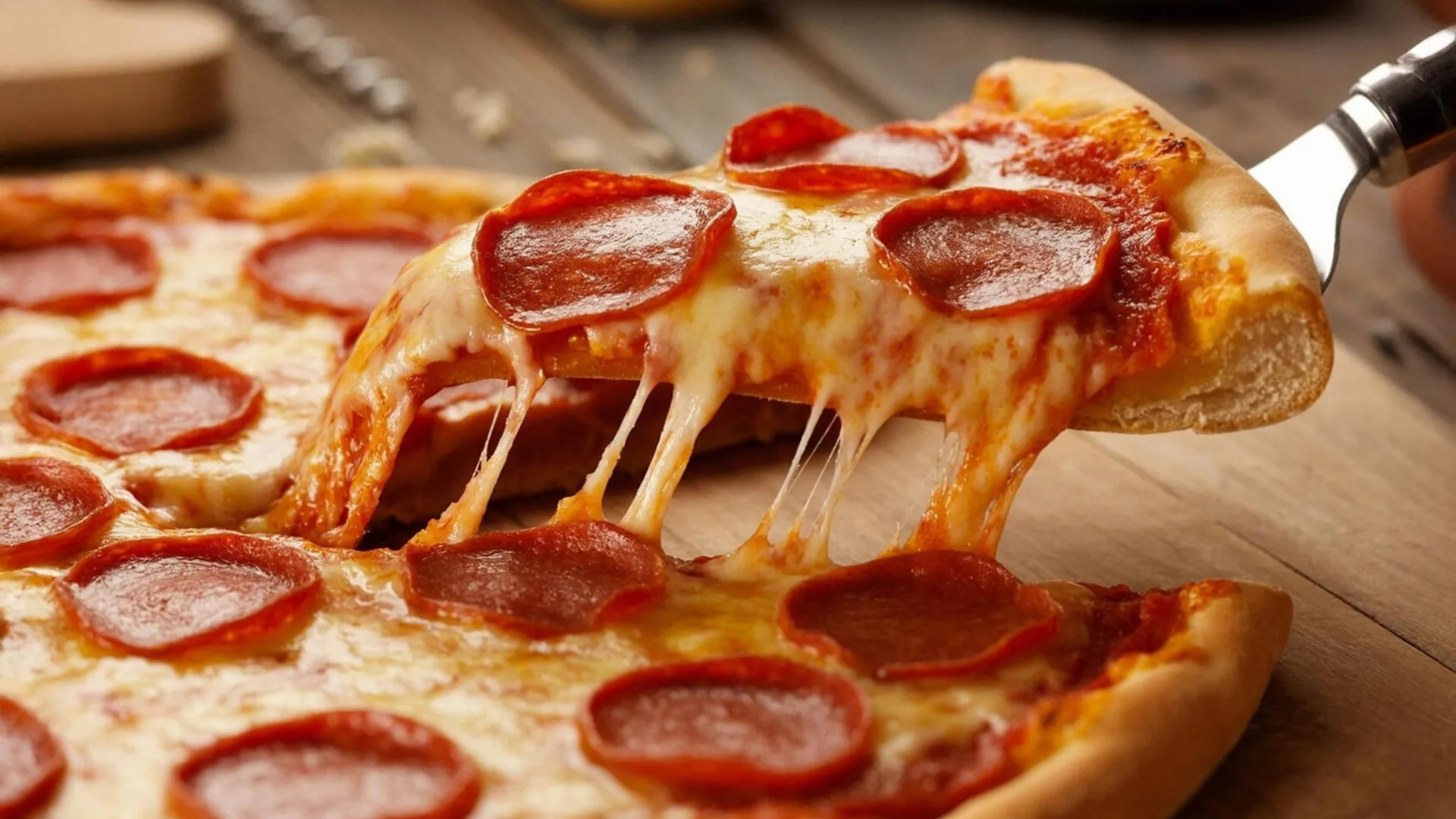
A recent study has found that nearly half of all takeaway meals tested contained higher levels of salt than what was advertised. Some single servings of these meals were discovered to provide almost double the recommended daily salt intake. The research also highlighted significant variations in salt content across different types of cuisine. Contrary to expectations, traditional fish and chips emerged as one of the options with the lowest salt content among those surveyed. In contrast, popular dishes such as pasta, pizza, and various curries were frequently identified as having the highest salt levels. This discrepancy between advertised and actual salt content raises concerns about consumer awareness and dietary health.
This study highlights a significant gap between consumer expectations and the nutritional reality of common takeaway foods, particularly concerning salt content. The findings suggest potential issues with food labeling accuracy and industry self-regulation. Consumers rely on advertised information for dietary choices, and discrepancies can undermine public health efforts aimed at reducing sodium intake, which is linked to cardiovascular issues. Future regulatory frameworks might need to consider more stringent oversight of nutritional claims for prepared foods, alongside public health campaigns to educate consumers about hidden salt in restaurant meals. The disparity across food types also points to the need for tailored public health guidance rather than broad recommendations.
AI-generated to prompt reflection — not editorial opinion, not advice, not a statement of fact. How this works.