Taliban promote Afghanistan as safe tourist destination amid human rights concerns
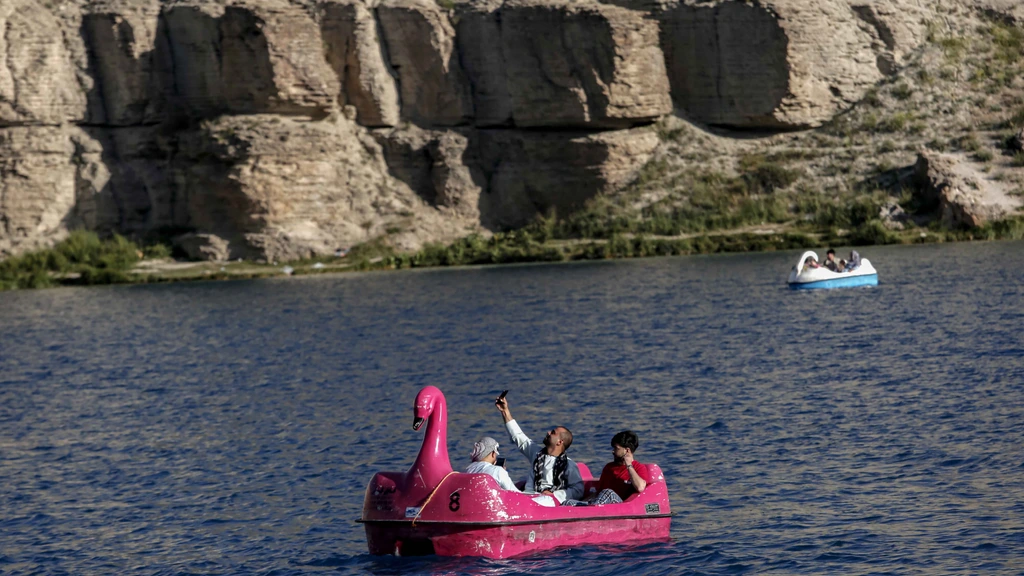
The Taliban are actively promoting Afghanistan as a safe and welcoming destination for international tourists, despite widespread human rights abuses. The government-funded Institute of Tourism in Kabul is training individuals for the hospitality sector, with 400 students having already graduated. Ahmad Seyar Rahimi, head of the tourism association, highlighted the pragmatic approach of the Taliban in developing tourism to improve their international image, even as they suppress the rights of their own citizens. He stated that Afghanistan is now safe to travel in all provinces and that hospitality is prevalent throughout the country. The number of foreign visitors has reportedly increased significantly, from a few hundred to over 9,000 in the past year, with more than 2,000 visiting for leisure. The Taliban are investing in hotel construction and tourism education to make the country more appealing, aiming to bolster the failing economy with foreign currency. However, this initiative stands in stark contrast to the extreme control and systematic oppression of women, who are largely excluded from public life, arrested, and tortured for speaking out, according to Amnesty International. While foreign visitors are not subject to the same restrictions, questions arise about supporting the regime with tourism revenue. In Bamyan, a city known for its historical sites, a female travel agent, Nasibeh Ebrahimi, operates her own business, claiming women can start enterprises despite official restrictions. She noted that while women have more freedom in Bamyan compared to other cities, they still face limitations, such as restricted access to cultural sites and the need for male accompaniment. Despite the Taliban's claims of safety, foreign nationals have been targeted by groups like IS, with incidents including the killing of three Spaniards in Bamyan in 2024 and an attack on a restaurant frequented by Chinese tourists in Kabul earlier this year. Kidnappings and arbitrary detentions by groups allied with the Taliban also persist, leading most countries, including the Netherlands, to maintain negative travel advisories.
The Taliban's promotion of Afghanistan as a tourist destination presents a complex dichotomy between economic aspiration and governance realities. By leveraging tourism, the regime seeks to generate foreign revenue and improve its international standing, a strategy often employed by states facing economic hardship. This approach highlights a potential divergence between the Taliban's pragmatic economic interests and its ideological enforcement of social policies. The narrative of increased safety for foreigners, juxtaposed with documented human rights concerns, raises questions about the sustainability and ethical implications of such tourism. The international community faces a dilemma: engaging with the regime for economic benefits could be seen as tacit endorsement, while complete isolation may hinder potential avenues for dialogue and reform. Future developments will likely depend on the regime's ability to balance its economic imperatives with international expectations regarding human rights and security, and on the willingness of foreign governments and travelers to navigate these significant risks.
AI-generated to prompt reflection — not editorial opinion, not advice, not a statement of fact. How this works.
