Taliban Regime Faces Internal Divisions and External Pressures
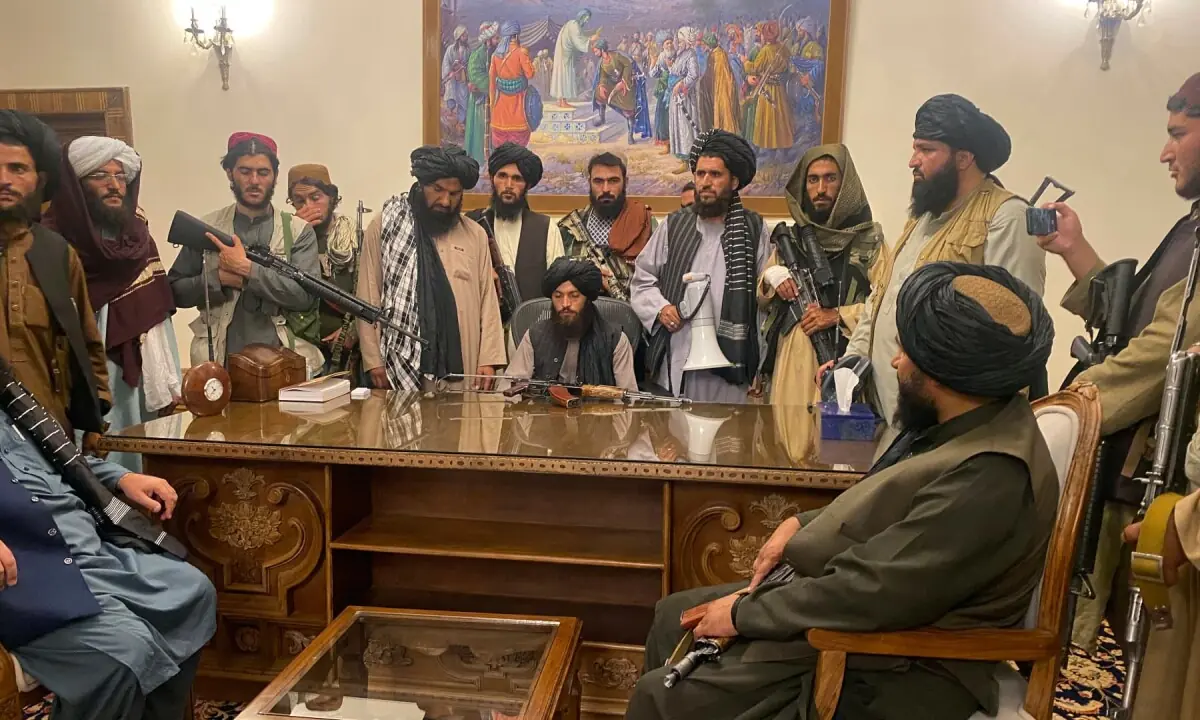
The Taliban administration in Afghanistan is exhibiting signs of significant structural decay, challenging the perception of a monolithic regime and nearing a state of localized, multi-factional conflict. This instability stems not only from diplomatic isolation but also from an unsustainable internal economy of power, strained relations with neighbors, and the rise of decentralized resistance movements. Domestically, the regime is fractured between the radical Kandahar faction, led by Supreme Leader Hibatullah Akhundzada, and the more governance-focused Kabul faction, headed by figures like Sirajuddin Haqqani. Kandahar's emphasis on ideological purity and centralized finances has alienated field commanders, leading to a privatized state capacity and an economy reliant on illicit trade and humanitarian aid.
Political opposition is also consolidating, with Ahmad Massoud of the National Resistance Front (NRF) rejecting the Taliban's claims of control and advocating for the return of decision-making power to the Afghan people. The resistance operates on two levels: the formal NRF, with a conventional military presence in northern provinces, and decentralized grassroots groups like Pasiban-i-Watan and Sepahian-i-Mihan. This dual opposition stretches the Taliban's security forces thin. Regionally, the Taliban's foreign policy has faltered, particularly with Pakistan, due to its support for the Tehreek-i-Taliban Pakistan (TTP). Pakistan has responded with kinetic deterrence, including cross-border airstrikes, while the Taliban have challenged the Durand Line border. Concurrently, Kabul is strengthening ties with New Delhi, increasing Islamabad's security concerns. Russia's engagement with the Taliban is transactional, aimed at containing the Islamic State-Khorasan (IS-K), but Moscow harbors skepticism about the Taliban's stability given their internal divisions and ties to groups like the TTP.
The current Afghan situation highlights the inherent fragility of authoritarian regimes that prioritize ideological rigidity over pragmatic governance and broad-based legitimacy. The Taliban's internal factionalism, characterized by a power struggle between conservative clerical elites and those managing day-to-day governance, suggests a weakening central command. This internal division, coupled with the emergence of both formal and decentralized resistance movements, strains the regime's capacity to maintain control. Externally, the deterioration of relations with Pakistan, a crucial neighbor, due to the Taliban's support for militant groups, demonstrates a strategic miscalculation that undermines regional stability and Kabul's own security. While engagement with Russia offers a veneer of international integration, it is based on transactional interests rather than genuine partnership, leaving the Taliban isolated and reliant on unsustainable economic models. The trajectory suggests a continued risk of fragmented sovereignty and conflict unless the regime can address its fundamental contradictions concerning governance, inclusivity, and regional relations.
AI-generated to prompt reflection — not editorial opinion, not advice, not a statement of fact. How this works.