Tallinn: Estonia's Medieval Capital on the Baltic Sea
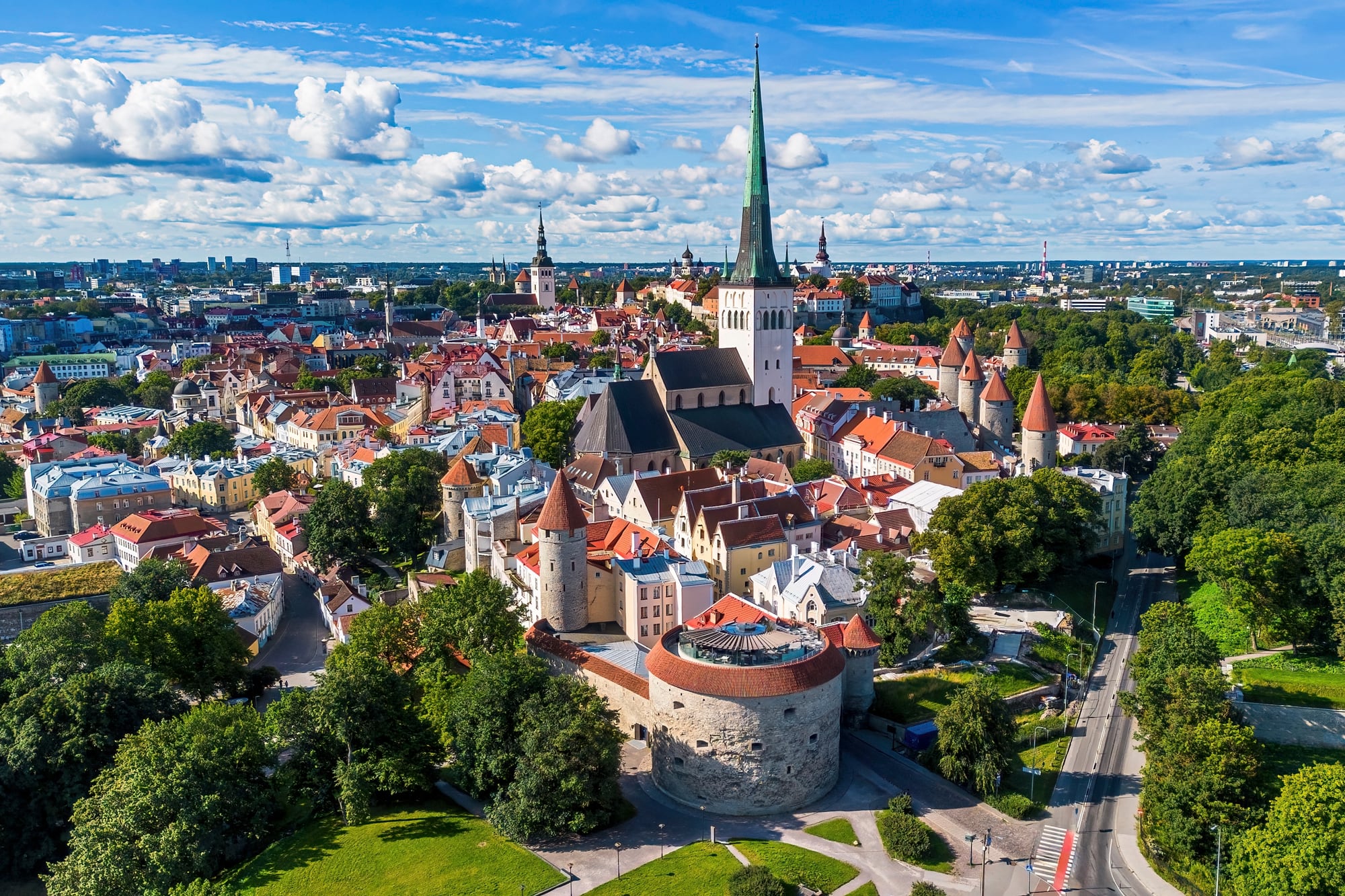
Tallinn, Estonia's compact capital city situated on the Baltic Sea, offers a journey back in time with its remarkably preserved medieval architecture. This charming city can be explored thoroughly within a single day, providing visitors with an immersive experience of its rich history. The city boasts constructions dating back to the 13th century, allowing a tangible connection to the Middle Ages. Its strategic location on the Baltic coast has historically made it a significant trading hub, influencing its development and architectural styles over the centuries. Visitors can wander through cobblestone streets, admire ancient city walls, and discover centuries-old churches and merchant houses. The well-preserved Old Town is a UNESCO World Heritage site, recognized for its outstanding universal value. Tallinn's blend of historical significance and modern vibrancy makes it a unique destination for travelers seeking to experience a living piece of European history.
Tallinn's preservation of 13th-century architecture offers a compelling case study in historical urban planning and cultural heritage management. The city's ability to maintain its medieval character while integrating modern infrastructure highlights the potential for sustainable tourism that leverages historical assets. This approach can foster economic growth through cultural tourism, but also presents challenges in balancing preservation with the demands of contemporary urban living and visitor volume. Future urban development strategies in similar heritage cities will likely need to navigate these tensions, focusing on adaptive reuse and maintaining the authenticity that draws visitors, while ensuring the city remains functional and livable for its residents.
AI-generated to prompt reflection — not editorial opinion, not advice, not a statement of fact. How this works.