Tangará da Serra Becomes First in Mato Grosso to Mandate Electric Scooter/Bike User Course
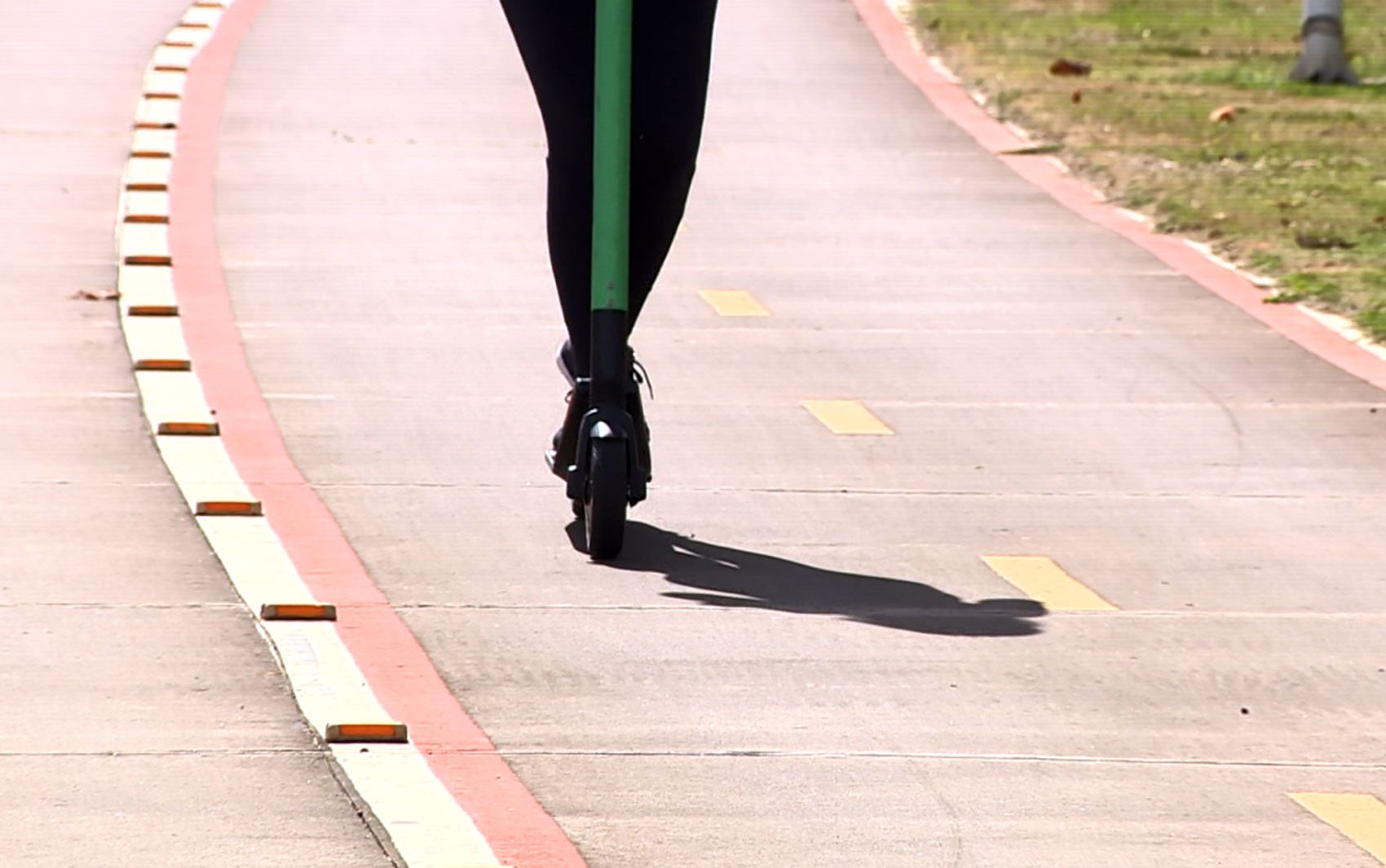
Tangará da Serra, Mato Grosso, has become the first municipality in the state to require a specific course for operators of electric bicycles, electric scooters, and other individual mobility devices. This initiative is part of Municipal Law No. 7.333, sanctioned on May 28th, which aims to regulate the circulation of these vehicles and enhance traffic safety. Unlike other municipalities like Cáceres, which have regulations but no mandatory training, Tangará da Serra's new law mandates participation in a traffic education course or lecture. Key regulations include a minimum age of 16, mandatory helmet use, and completion of the approved course. The law prohibits circulation on sidewalks and roads with speeds exceeding 40 km/h unless a dedicated cycle lane exists. Registration for the course is open via the municipal government's portal, requiring form submission, document upload, and a review period of up to 30 days. Upon approval, participants must complete the training to receive the legally required certificate. Circulation is permitted on cycle lanes and routes, or on roads with a maximum speed of 40 km/h when such infrastructure is absent, always traveling in the same direction as other traffic and on the right side of the lane. Drivers must be 16 or older, wear helmets, and carry identification and vehicle documentation. Vehicles must be equipped with essential safety features, including lights and, for electric bikes, a rearview mirror and pedal signaling. A speed limit of 20 km/h is enforced on cycle lanes and authorized roads, regardless of the vehicle's maximum capability. Prohibited actions include riding on sidewalks, using mobile devices while operating the vehicle, and carrying passengers beyond the vehicle's design capacity.
This municipal ordinance in Tangará da Serra represents a proactive approach to integrating new mobility technologies into urban traffic systems. By mandating user education and specific equipment, the city addresses potential safety concerns arising from the increased prevalence of electric scooters and bikes. The requirement for a course, alongside age and equipment regulations, aims to foster responsible operation and reduce conflicts with other road users. This initiative highlights a growing awareness among local governments of the need for tailored traffic management strategies that adapt to evolving personal transportation options, moving beyond traditional vehicle regulations. The long-term impact will depend on the course's effectiveness in promoting safe practices and the municipality's enforcement capabilities, potentially serving as a model for other cities grappling with similar challenges in balancing innovation with public safety.
AI-generated to prompt reflection — not editorial opinion, not advice, not a statement of fact. How this works.