Tangshan Earthquake's 50th Anniversary: 5 Little-Known Historical Details
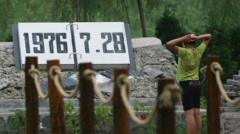
Fifty years after the devastating Tangshan earthquake, five lesser-known historical details surrounding the event have come to light. Notably, the last document reviewed by Mao Zedong during his lifetime was a report titled 'Circular on Anti-Seismic Relief in the Fengnan Area of Tangshan.' This occurred just over a month before his death on September 9th. The anniversary serves as a somber reminder of the immense loss of life and the subsequent relief efforts. The earthquake, which struck on July 28, 1976, in Tangshan, Hebei province, China, is one of the deadliest earthquakes of the 20th century. Official figures indicate that 242,769 people died, and 164,851 were severely injured. However, unofficial estimates suggest the death toll could be significantly higher. The event had a profound impact on China's history, influencing disaster response strategies and urban planning. The 50th anniversary prompts reflection on the lessons learned from the disaster and the ongoing challenges in earthquake preparedness and recovery.
The 50th anniversary of the Tangshan earthquake offers a moment to assess disaster preparedness and response systems. The historical detail regarding Mao Zedong's final document highlights the political significance attributed to such events, even in their final days. Examining the interplay between state response, public information, and scientific understanding in the aftermath of major disasters is crucial. Future preparedness will likely involve advancements in early warning systems, resilient infrastructure, and community-based emergency response, alongside transparent communication protocols to build public trust and mitigate the psychological impact of such catastrophic events.
AI-generated to prompt reflection — not editorial opinion, not advice, not a statement of fact. How this works.