Tanker Attacks: Iran's Gamble Risks Escalation, Analysts Say
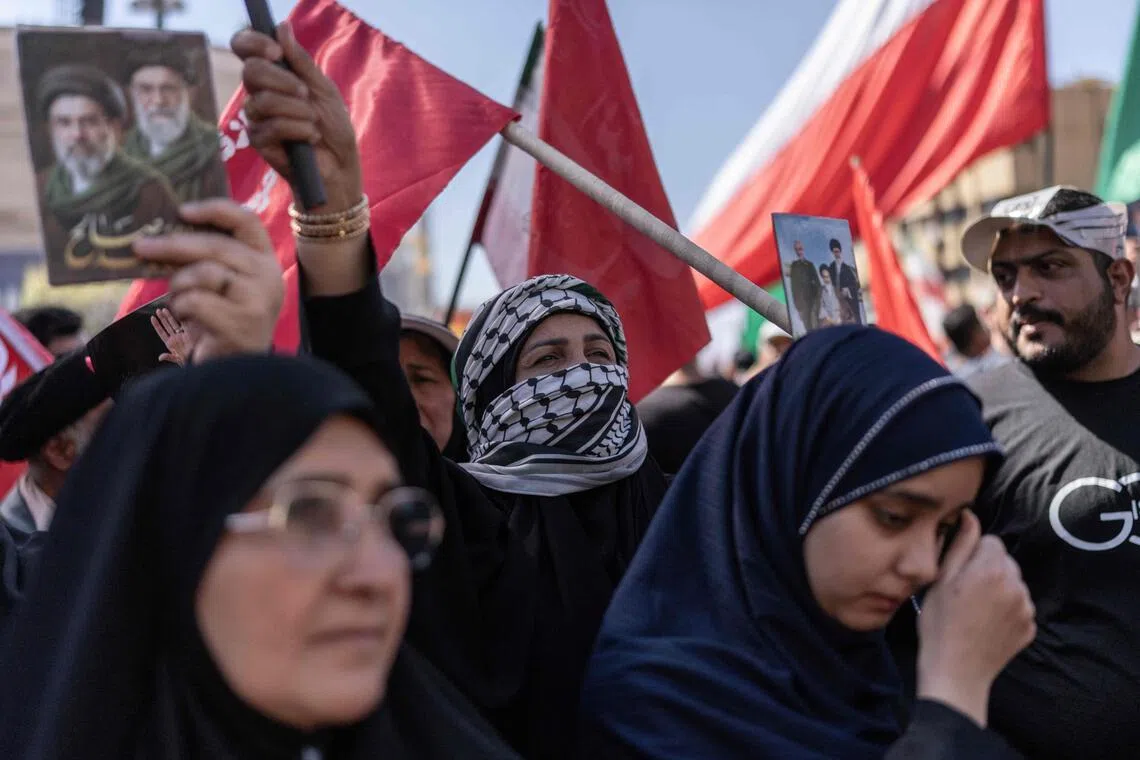
Recent tanker attacks in the Gulf of Oman may represent Iran overplaying its hand, potentially reigniting conflict with the United States and Israel. Analysts suggest that Iran's perception of having successfully outmaneuvered these adversaries may have emboldened it to engage in these renewed aggressive actions. The specific incidents, while not detailed in the provided text, are framed as a strategic miscalculation by Iran. This perceived success could have led to a dangerous escalation, jeopardizing regional stability. The implication is that Iran's actions, driven by a belief in its tactical superiority, could inadvertently provoke a wider confrontation. The attacks carry significant risks, not just for Iran but for the broader international community reliant on the free flow of oil through this critical waterway. The situation highlights the delicate balance of power and the potential for miscalculation in the volatile Middle East.
The reported tanker attacks, if attributable to Iran, suggest a strategic calculus where perceived gains against adversaries like the US and Israel may be driving aggressive actions. This approach carries inherent risks, as it could provoke a disproportionate response, escalating regional tensions and potentially destabilizing vital global energy supply routes. From a systems perspective, such actions can create feedback loops where perceived provocations lead to counter-provocations, increasing the likelihood of unintended conflict. Future geopolitical strategies will need to carefully weigh the short-term advantages of such assertive displays against the long-term costs of increased instability and the potential for wider military engagement, particularly in an era where economic and technological interdependence is paramount.
AI-generated to prompt reflection — not editorial opinion, not advice, not a statement of fact. How this works.