Tankers Divert Course Amid Houthi Shipping Threats
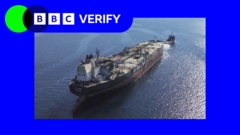
Several oil tankers have abruptly changed their routes, opting for sharp U-turns to avoid potential threats posed by Houthi militants. Ship-tracking data indicates that all of these vessels were en route to or from Saudi Arabian ports prior to altering their course. This significant diversion suggests a heightened level of concern among shipping operators regarding the security of maritime transit in the region. The Houthi threat specifically targets commercial shipping, prompting these precautionary measures. The exact nature of the threat and the specific vessels involved have not been fully detailed, but the widespread rerouting points to a significant impact on regional shipping operations. This event underscores the ongoing instability and risks associated with maritime trade in the Red Sea and surrounding waters. The decision by these tankers to change course highlights the immediate and tangible effects of geopolitical tensions on global supply chains. Further monitoring will be necessary to ascertain the duration and scale of these disruptions.
The rerouting of tankers signifies a direct market response to perceived geopolitical risks, illustrating the vulnerability of global supply chains to regional instability. Shipping companies are demonstrating a clear risk-aversion strategy, prioritizing asset and cargo safety over potentially disrupted transit times. This event highlights the critical role of maritime security in maintaining the flow of energy resources and the economic consequences of conflict spillover. Future considerations may involve increased insurance premiums, the exploration of alternative routes, or enhanced security protocols, all of which could impact shipping costs and delivery schedules in the medium to long term.
AI-generated to prompt reflection — not editorial opinion, not advice, not a statement of fact. How this works.