Tanzania Boosts Agriculture Budget, Yet Lags Regional Peers
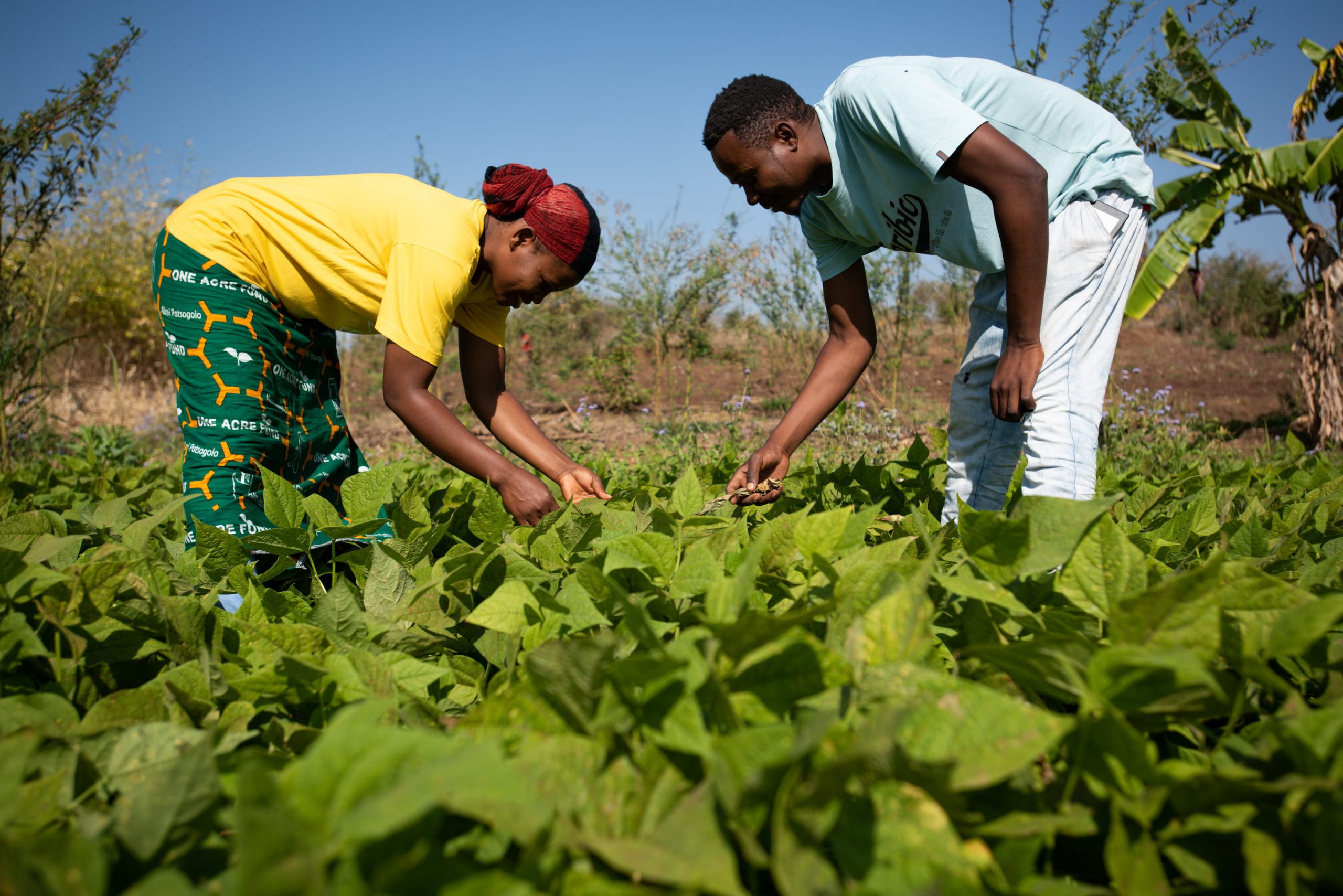
Tanzania's Ministry of Finance recently presented a Finance Bill amounting to 62 trillion Tanzanian Shillings (approximately 24.3 billion US dollars). This represents a 10 percent increase in expenditure compared to the previous year, indicating a commitment to larger-scale economic stimulation. The budget expansion is seen as positive news, particularly for the agricultural sector, which is a significant contributor to the nation's economy. However, despite this increased allocation, Tanzania's agricultural budget still lags behind those of other East African nations. This suggests that while the government is investing more, the scale of investment may not be sufficient to keep pace with regional competitors. Further analysis is needed to understand the specific areas of investment within the agricultural sector and how this increased funding compares to the needs and investments of neighboring countries. The overall economic outlook, supported by this budget, aims for broader economic growth.
The recent expansion of Tanzania's agricultural budget, while a positive step towards economic development, highlights a persistent challenge of regional competitiveness. The 10 percent increase in expenditure, totaling 62 trillion Tanzanian Shillings, signals an intent to bolster the economy. However, the comparison to East African peers suggests that current investment levels may not fully address systemic needs or capitalize on emerging opportunities in the agricultural sector. Future policy considerations could involve examining the efficiency of resource allocation, exploring innovative financing mechanisms, and fostering regional collaboration to enhance agricultural productivity and market access. Understanding the specific drivers of this regional disparity is crucial for formulating strategies that ensure Tanzania's agricultural sector can thrive in the coming decade, particularly as global food security and climate resilience become increasingly critical.
AI-generated to prompt reflection — not editorial opinion, not advice, not a statement of fact. How this works.