Tanzania's Current Account Deficit Grows Significantly Due to Increased Import Costs
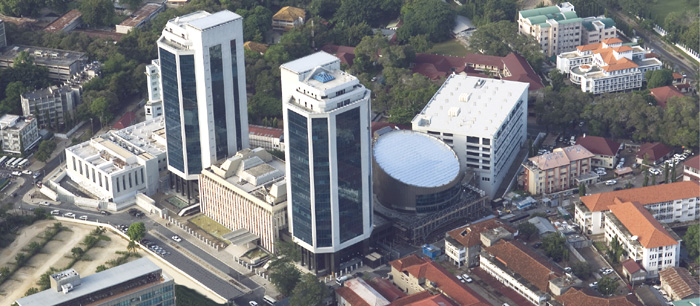
Tanzania's current account deficit expanded by almost 40% in the year leading up to May. This widening is attributed to escalating import costs, fueled by global geopolitical instability and higher freight charges. Despite robust growth in both exports and tourism revenue, these gains were insufficient to offset the increased expenditure on imports. Official data indicates that the current account deficit reached $2.91 billion in the year ending May. The surge in import expenses suggests a significant impact on the country's balance of payments.
The widening current account deficit in Tanzania highlights the vulnerability of emerging economies to global economic shocks. Increased import costs, driven by geopolitical tensions and freight charges, demonstrate how external factors can significantly strain a nation's balance of payments, even when domestic export and tourism sectors perform well. This situation underscores the importance of diversifying import sources and strengthening domestic production to mitigate reliance on global supply chains. Policymakers may need to consider strategies to enhance foreign exchange reserves and explore trade agreements that offer greater price stability for essential goods. Over the next decade, such external pressures may intensify, necessitating proactive measures to build economic resilience and reduce susceptibility to global inflationary forces.
AI-generated to prompt reflection — not editorial opinion, not advice, not a statement of fact. How this works.