Tanzania's Informal Sector: Empowering 'Machinga' to Become Business Owners
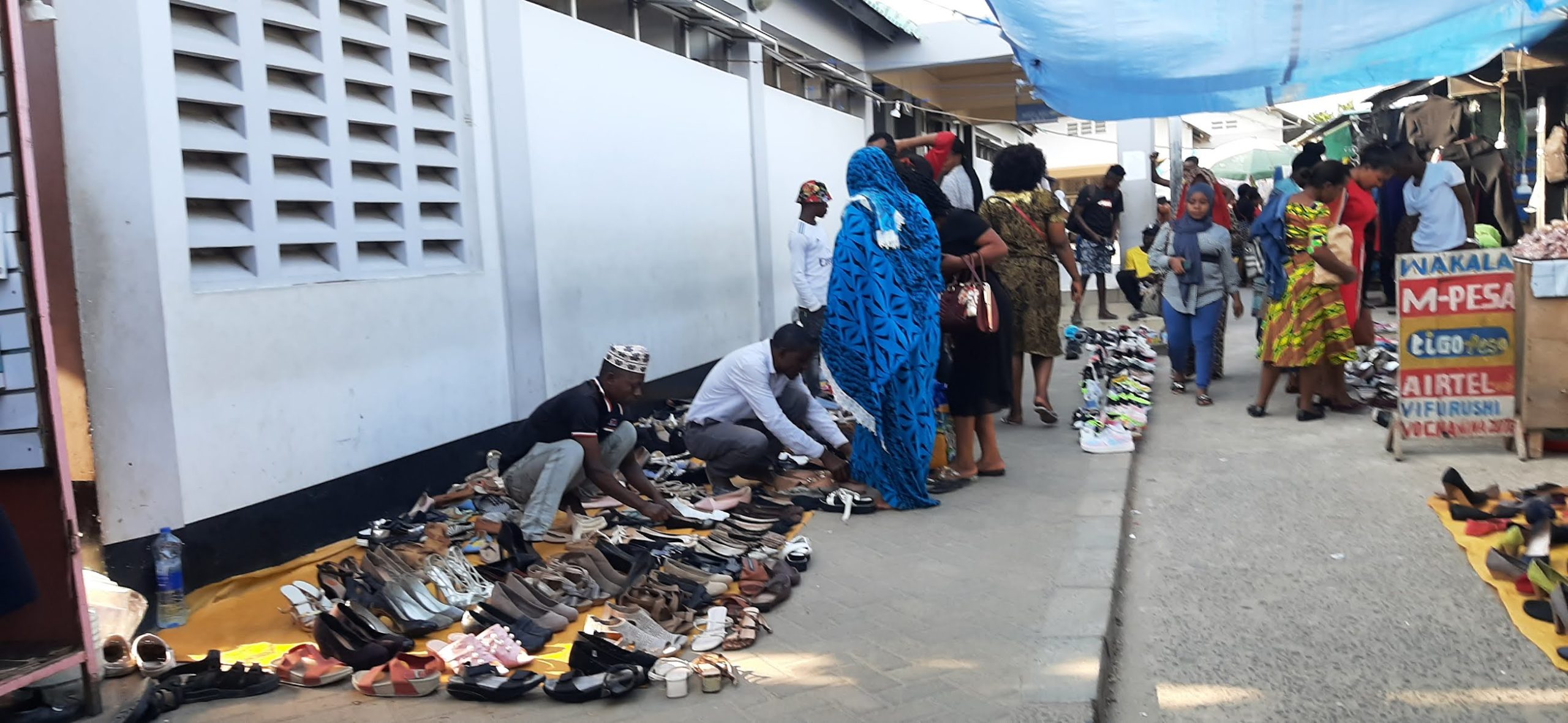
Tanzania's informal sector, often referred to as 'machinga,' is a vibrant hub of economic activity, demonstrating significant energy, innovation, and resilience. Millions of Tanzanians across major cities like Dar es Salaam, Mwanza, Mbeya, Arusha, and Dodoma depend on these informal enterprises for their livelihoods. These range from food vendors and sellers of secondhand clothing to mobile money agents and skilled artisans working on the streets. The initiative aims to formalize and elevate these informal traders, providing them with the necessary support and resources to transition into established business owners. This transformation is expected to foster greater economic stability and growth within the country. By recognizing the potential within the informal economy, the program seeks to unlock new opportunities for entrepreneurship and self-sufficiency. The focus is on equipping 'machinga' with the skills and frameworks needed to manage businesses effectively. This includes aspects such as financial management, market access, and legal compliance. Ultimately, the goal is to create a more inclusive and robust economic landscape for all Tanzanians.
The initiative to transform Tanzania's informal 'machinga' sector into formal business ownership addresses a critical aspect of economic development. By leveraging the existing energy and resilience within the informal economy, this program seeks to unlock greater potential for sustainable growth and individual prosperity. Formalization can provide access to financial services, broader markets, and legal protections, thereby mitigating some of the inherent vulnerabilities of informal trade. However, successful implementation will require careful consideration of the specific challenges faced by 'machinga,' including access to capital, business education, and navigating regulatory frameworks. The long-term impact will depend on creating an ecosystem that supports this transition, fostering an environment where small-scale entrepreneurs can thrive and contribute more significantly to the national economy. This approach aligns with global trends of recognizing and integrating informal economies into broader development strategies.
AI-generated to prompt reflection — not editorial opinion, not advice, not a statement of fact. How this works.