Tanzanian Private Schools Advised to Diversify Revenue Beyond Tuition Fees
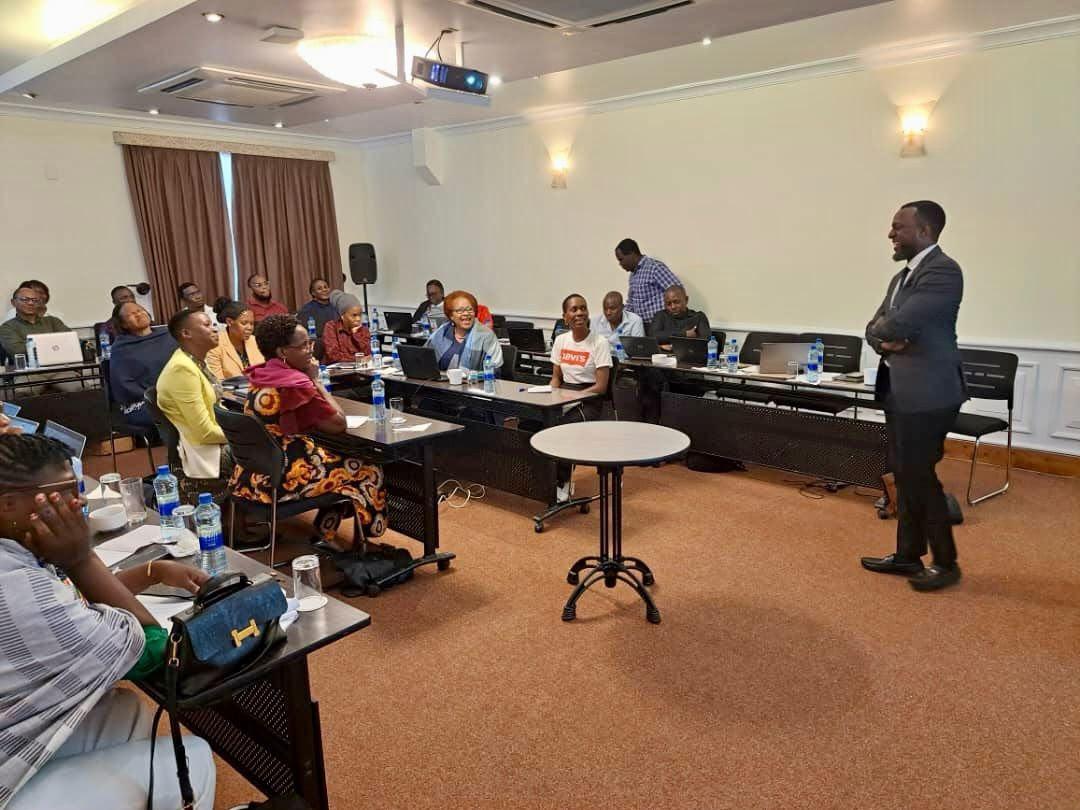
Experts are advising private school owners in Tanzania to move beyond tuition fees as their sole income source. The recommendation aims to bolster financial sustainability and foster long-term growth for these institutions. This guidance is particularly relevant given the current economic landscape, which presents significant challenges for educational establishments. Schools are facing escalating operational costs, necessitating a strategic shift in their financial models. By developing alternative revenue streams, private schools can build greater resilience against economic fluctuations. This diversification is seen as crucial for ensuring continued quality of education and operational stability in the long run. The call for diversification underscores the need for private schools to adapt to a changing economic environment and proactively seek new avenues for financial security.
The call for Tanzanian private schools to diversify revenue beyond tuition fees highlights a systemic challenge faced by many educational institutions globally. Reliance on a single income stream, such as student fees, creates inherent financial vulnerability, especially amidst rising operational costs and economic volatility. Exploring diversified revenue models, such as offering supplementary educational services, leveraging school facilities for community events, or engaging in educational technology ventures, could enhance financial resilience. Such strategies, if implemented thoughtfully, can not only ensure the long-term viability of these schools but also potentially improve the quality and accessibility of education by reducing pressure on fee structures. This proactive approach aligns with a broader trend of institutions seeking sustainable business models in evolving markets.
AI-generated to prompt reflection — not editorial opinion, not advice, not a statement of fact. How this works.