Tanzanian Seaweed Farmers Express Dissatisfaction with Production, Citing Market and Climate Issues
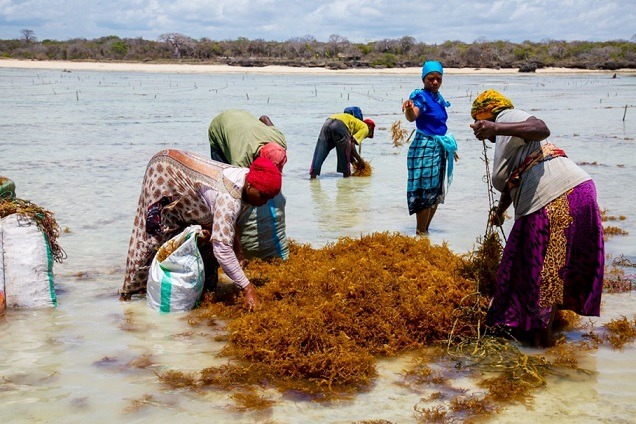
A 2026 study examining Tanzania's seaweed value chain reveals that over 70 percent of seaweed farmers in Mainland Tanzania are unhappy with their current production levels. The primary reasons cited for this dissatisfaction include significant market challenges, the adverse effects of climate change, and insufficient access to modern technology. The study also highlights that while women constitute the majority of workers in the seaweed sector, they frequently encounter persistent obstacles. These findings underscore a critical need to address systemic issues impacting the livelihoods of these farmers and the overall productivity of the seaweed industry in Tanzania.
This study highlights the intersection of environmental, economic, and social factors affecting the seaweed farming sector in Tanzania. The reported dissatisfaction among farmers, particularly the challenges posed by climate change and market access, suggests a need for adaptive strategies and improved value chain integration. While women dominate the workforce, their continued struggles indicate potential gender-specific barriers within the industry that require targeted interventions. Future development should focus on building resilience against climate shocks, fostering more equitable market participation, and ensuring technology transfer benefits all farmers, thereby promoting sustainable growth and improved livelihoods in the sector.
AI-generated to prompt reflection — not editorial opinion, not advice, not a statement of fact. How this works.