Tanzanian University Develops Banana Juice Technology to Boost Local Economy
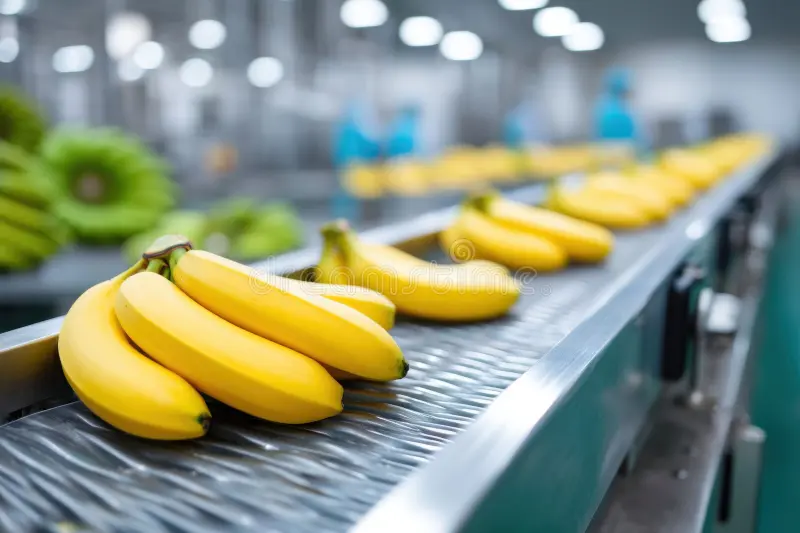
Tanzania has a significant opportunity to decrease its dependence on imported fruit juices, enhance the earnings of local farmers, and generate numerous employment opportunities through the commercialization of an innovative technology. This new process transforms cooking bananas into a juice product ready for the market. Professor Oscar Kibazoli from the University of Dar es Salaam (UDSM) revealed the development of a mechanized system designed for producing this banana-based juice. The innovation aims to leverage the abundant supply of cooking bananas within the country, providing a value-added product that can compete with existing beverage options. This initiative could significantly impact the agricultural sector by creating a new market for banana farmers and fostering local industrial growth. The potential for job creation spans from farming and processing to distribution and sales, offering a comprehensive economic boost. By processing locally grown bananas, Tanzania can also reduce foreign exchange expenditure on imported juices and promote a healthier, locally sourced beverage alternative.
This technological development in Tanzania presents a potential pathway for import substitution in the beverage industry, leveraging a readily available local agricultural resource. The initiative aligns with broader economic development goals of increasing farmer incomes and creating employment through value addition. From a systems perspective, success will depend on scaling the mechanized production, ensuring consistent quality, and establishing effective distribution channels to compete with established imported and local beverage brands. The long-term viability will also be influenced by consumer acceptance of banana-based juice and the sustainability of the supply chain, considering potential climate impacts on banana cultivation. This innovation could serve as a model for other agricultural processing ventures in the region, demonstrating how local resources can be transformed into marketable products, thereby fostering greater economic self-reliance.
AI-generated to prompt reflection — not editorial opinion, not advice, not a statement of fact. How this works.