Tapiraí Aims to Revive Ginger Production with New Techniques
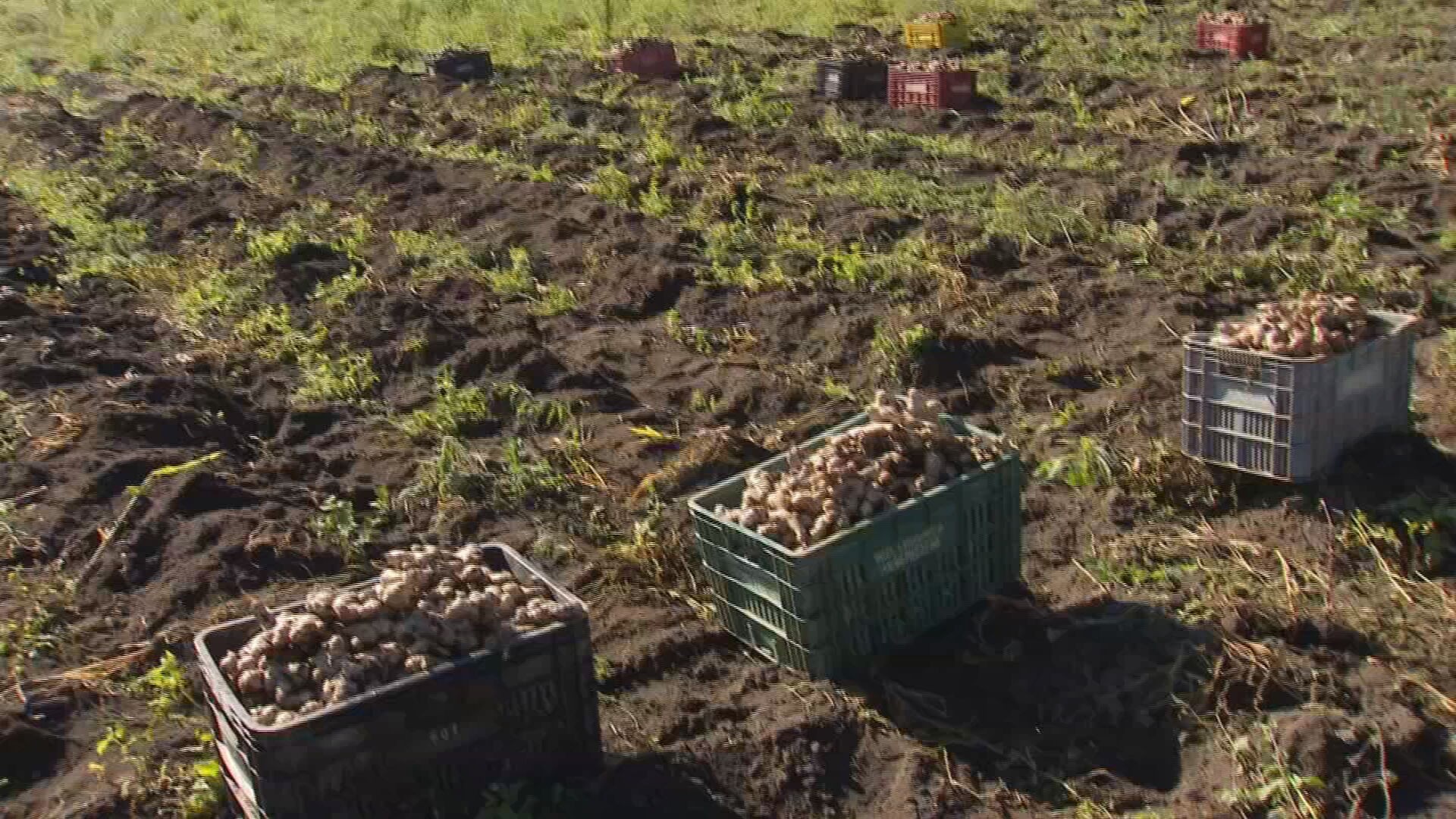
Tapiraí, a city in São Paulo state known as the ginger capital, is implementing a recovery plan for its ginger production, which was significantly impacted by a disease that reduced productivity. The city accounts for 80% of the ginger cultivated in the state. With support from the local prefecture and the Agronomic Institute of Campinas (IAC), producers are adopting new agricultural practices. Eliane Fabri, a researcher at IAC, noted that techniques such as soil analysis are yielding positive results, providing tools that improve productivity. Currently, approximately 500 hectares are dedicated to ginger cultivation by small farmers, many on leased land. The rhizome, used as seed for the next cycle, is carefully selected for health to strengthen the plants. To maintain soil health, crop rotation is practiced, alternating ginger with yam. Projections for 2026 anticipate a harvest of 30 tons per hectare. The current market price for an 18-kilogram box is R$60, a 33% decrease from 2025 prices. The Fernandes family, with over 30 years of ginger cultivation experience, expects to harvest 39 tons, with Fernando Fernandes emphasizing that technology enhances product value. Hélio Tiago de Oliveira, a producer and president of a sector-strengthening association, highlighted the importance of collaboration and perseverance among producers to restore Tapiraí's ginger prominence. This initiative was featured in a report aired on August 2, 2026.
This initiative in Tapiraí demonstrates a proactive response to agricultural challenges, blending traditional farming with modern scientific methods. The strategy of integrating soil analysis and crop rotation addresses the immediate need to combat disease and improve yields, while also promoting sustainable land management. The focus on producer collaboration, supported by research institutions and local government, offers a scalable model for agricultural recovery. Looking ahead, the success of these efforts will depend on continued investment in research and development, as well as market access for producers. The economic projections suggest a return to profitability, but the long-term viability will be influenced by global market dynamics and the ongoing threat of new plant diseases, necessitating adaptive strategies and resilient farming systems.
AI-generated to prompt reflection — not editorial opinion, not advice, not a statement of fact. How this works.