Taplejung's Bat Cave Lacks Protection Despite Tourism Potential
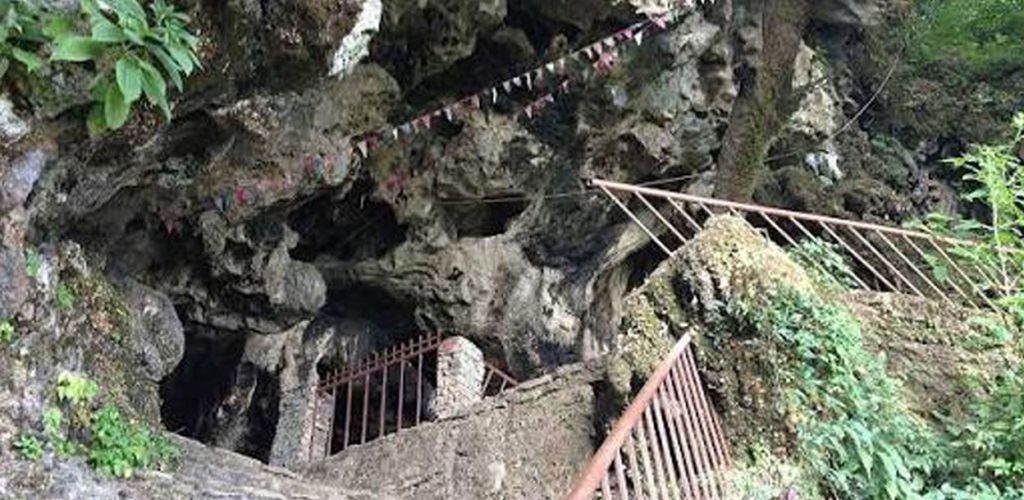
Taplejung's bat cave, home to thousands of bats, possesses significant tourism potential but remains largely unknown due to a lack of conservation and promotion. The cave is a habitat for a vast number of bats, highlighting its ecological importance. Despite its natural attractions, the local authorities and relevant bodies have not adequately invested in its development as a tourist destination. This neglect means that the cave's potential to attract visitors and generate revenue is not being realized. Without proper conservation efforts, the delicate ecosystem within the cave could also be at risk. Furthermore, a lack of effective publicity campaigns prevents potential tourists from learning about this unique natural site. The situation underscores a common challenge in many regions where natural wonders are overlooked in favor of more established attractions or development projects. Addressing these issues would require a concerted effort from government agencies, local communities, and tourism stakeholders.
The underdevelopment of Taplejung's bat cave illustrates a recurring pattern where significant natural assets are left untapped due to insufficient strategic planning and investment. While the cave offers ecological and potential economic value through tourism, its current state suggests a disconnect between resource identification and effective resource management. Future development strategies could consider public-private partnerships to leverage expertise and capital for conservation and infrastructure. Evaluating the long-term sustainability of such eco-tourism initiatives, including carrying capacity and environmental impact assessments, will be crucial. Moreover, integrating this site into broader regional tourism circuits could enhance visibility and economic benefits, fostering a more balanced approach to development that respects both natural heritage and economic growth.
AI-generated to prompt reflection — not editorial opinion, not advice, not a statement of fact. How this works.