Taquarussu Village: A Century-Old Italian Immigrant Refuge in Mogi das Cruzes, São Paulo
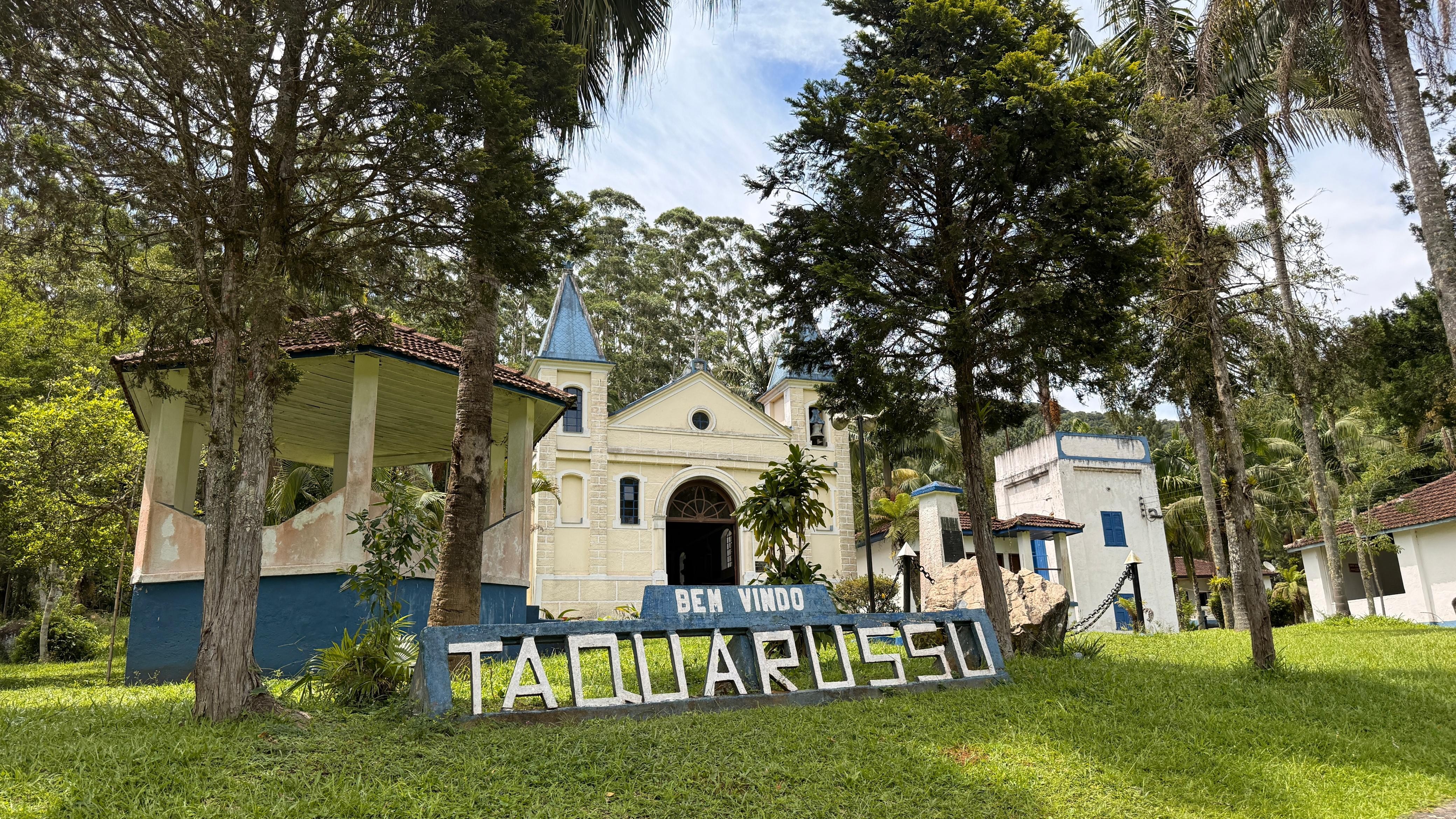
Taquarussu Village, a historic refuge with over a century of existence, is located in the rural Quatinga district of Mogi das Cruzes, São Paulo. This site once served as a strategic point for Italian immigrants who arrived during World War I, seeking better lives away from economic hardship in Italy. Marlene Begliomini, a descendant of Italian immigrants Marinella and Giuseppe Begliomini, shares the village's rich past. Her grandparents, along with their siblings, were among those who settled in Taquarussu, attracted by the presence of other Italians already living there.
Taquarussu was known as the 'Village of Italians,' while the neighboring Paranapiacaba was the 'Village of the English.' A railway connected these two settlements, facilitating the transport of goods, primarily charcoal and firewood, to the port of Santos via coal-powered trains. The village had essential amenities, including a general store and a school, with a traveling merchant supplying basic necessities like coffee, rice, and beans in jute sacks to the approximately 100 residents. A diesel pump, still present today, was installed to refuel trucks.
A significant tradition in Taquarussu is the annual mass held on December 13th in the chapel dedicated to Saint Lucy. The chapel's construction was a fulfillment of a promise made by Marlene's father's cousin, who vowed to build it if his failing eyesight was restored. Construction began in 1912 and concluded in 1945, featuring intricate hand-painted details by an Italian artist. As trucks became more prevalent, the railway and charcoal industry declined, leading many families to leave Taquarussu in search of employment elsewhere. Marlene's father, Sirio Begliomini, acquired the lands from his relatives, but the village gradually emptied. Currently, only a caretaker and his family reside there permanently. Due to vandalism and misuse, the property has been fenced off. Visitors can now experience Taquarussu's history and natural beauty, including a lake and waterfall, by making advance reservations for stays in the historic house or camping.
The narrative of Taquarussu Village highlights the cyclical nature of rural settlements tied to specific economic activities, in this case, charcoal production and railway transport. The transition from a thriving immigrant community to a sparsely populated historical site reflects broader patterns of industrialization and urbanization, where centralized economic opportunities draw populations away from traditional centers. The preservation efforts, including fencing and reservation systems, represent a modern strategy to manage heritage sites facing challenges of depopulation and potential neglect, balancing historical preservation with private ownership and visitor access. Looking ahead, the economic viability of such sites often depends on their ability to leverage their unique historical and natural assets for tourism, potentially creating new forms of local economic resilience in an era of increasing digital connectivity and evolving travel preferences.
AI-generated to prompt reflection — not editorial opinion, not advice, not a statement of fact. How this works.