Tara Polaris I Expedition to Arctic: Unprecedented Combined Physics and Biology Research
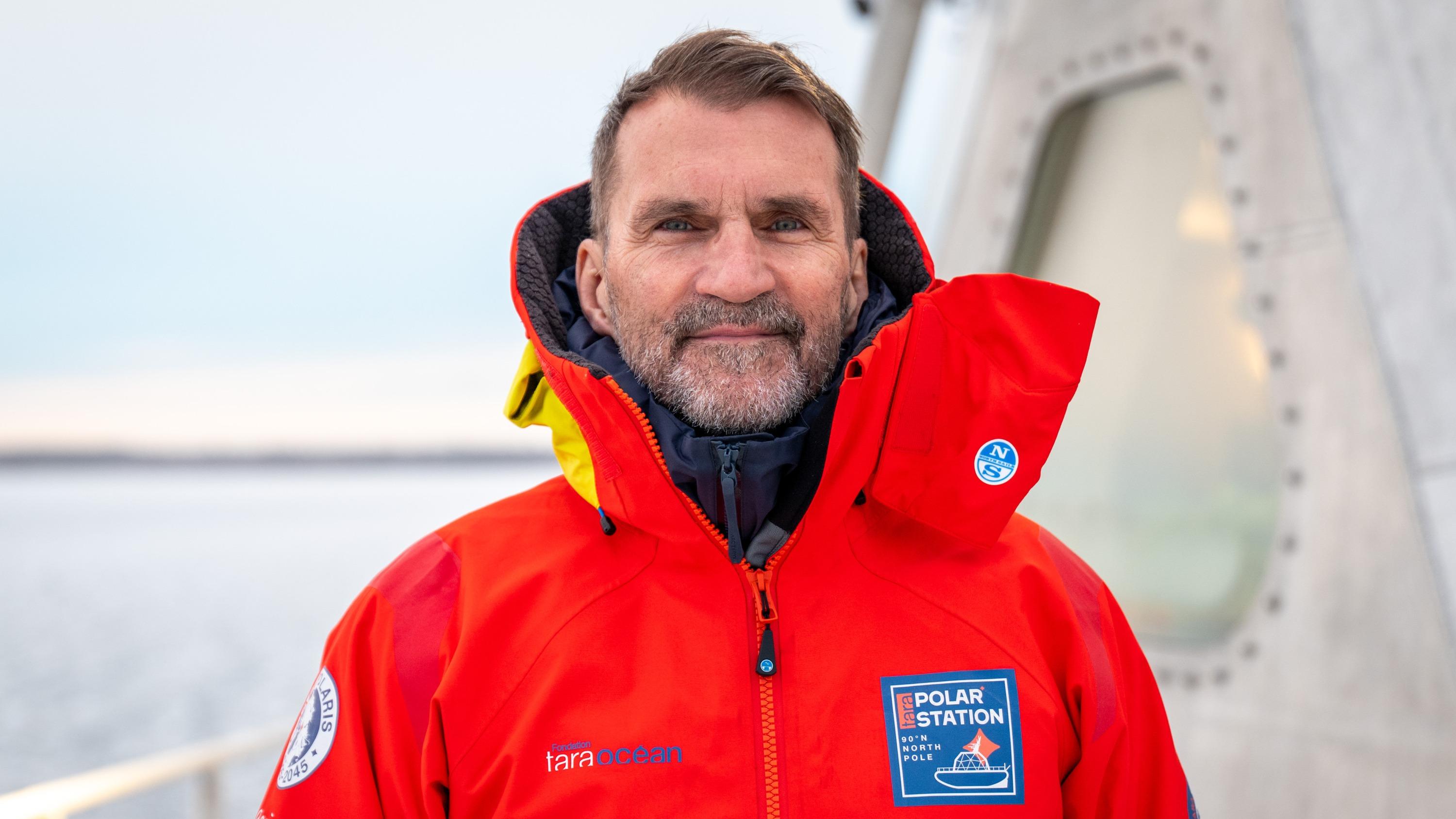
The Tara Polaris I scientific mission has departed from Lorient, France, embarking on an expedition to explore the Arctic. Marcel Babin, the mission's director and an oceanographer at the Takuvik international research laboratory, highlighted the unique nature of this endeavor. He emphasized that the combined research efforts in physics and biology are unprecedented, suggesting a comprehensive approach to understanding the Arctic environment. The mission aims to gather extensive data through this integrated scientific strategy. This expedition represents a significant step in Arctic research, bringing together diverse scientific disciplines to address complex environmental questions. The departure on Sunday marks the beginning of a crucial period of data collection and analysis in one of the planet's most sensitive regions. The collaborative nature of the research is expected to yield novel insights into the Arctic's physical and biological systems.
The Tara Polaris I mission's emphasis on an unprecedented, combined physics and biology research effort in the Arctic signifies a growing recognition of the interconnectedness of environmental systems. This integrated approach is crucial for understanding complex phenomena like climate change impacts, which transcend disciplinary boundaries. By pooling expertise from both physical and biological sciences, the mission aims to generate a more holistic dataset, potentially revealing synergistic effects and feedback loops previously unobserved. Such comprehensive studies are vital for informing future policy and conservation strategies in rapidly changing polar regions, offering a more robust scientific foundation for decision-making in the face of accelerating environmental shifts.
AI-generated to prompt reflection — not editorial opinion, not advice, not a statement of fact. How this works.