Tarabai's IPTU Revenue Drops Over 50%, City Hall Seeks Explanations
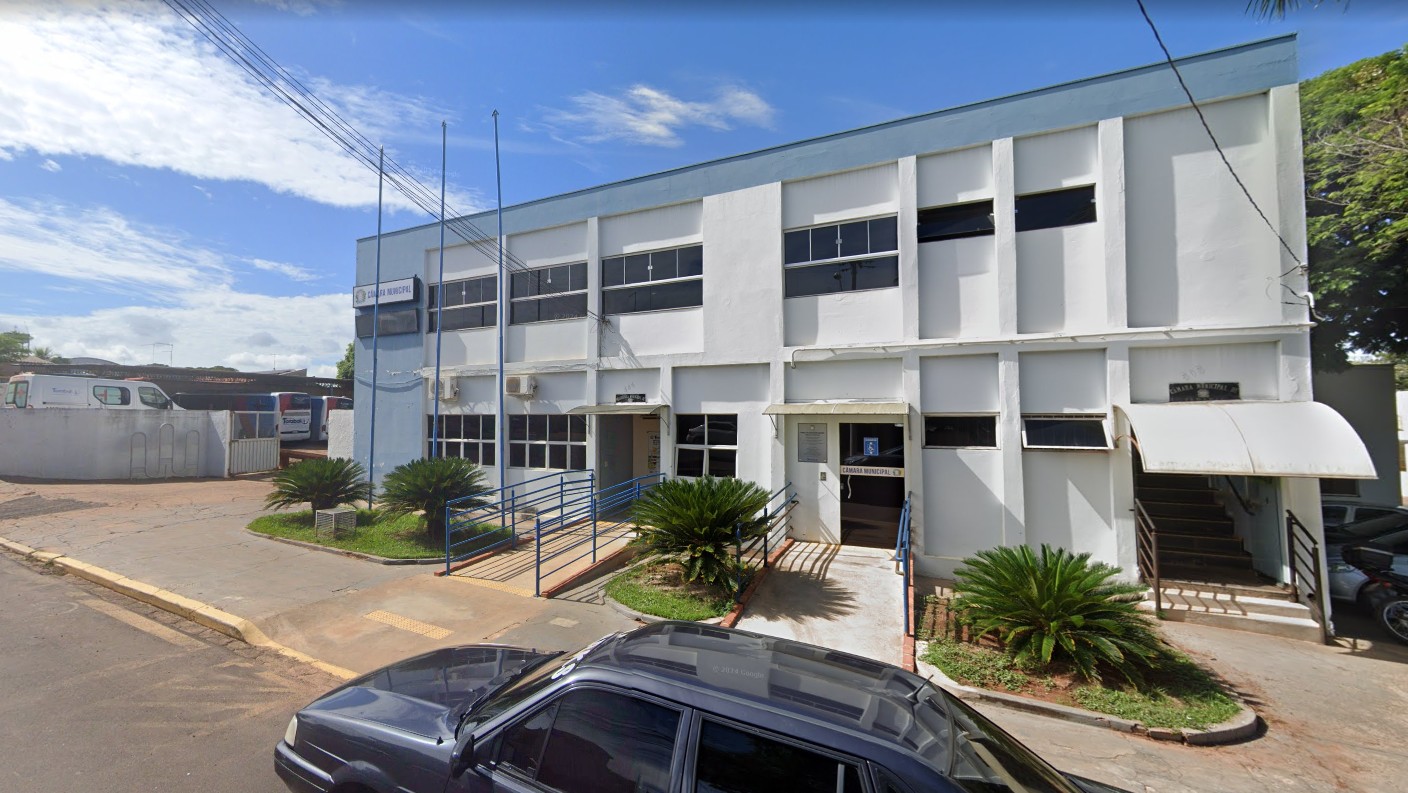
The municipality of Tarabai, in São Paulo state, Brazil, has experienced a significant decline of over 50% in its Urban Property and Land Tax (IPTU) revenue during the first four months of 2026 compared to the same period last year. The city, with an estimated population of 6,633, is located in western São Paulo and is over 570 kilometers from the state capital. In addition to the IPTU shortfall, the Services Tax (ISS) also saw a decrease of 18.12% in the same timeframe. The city administration claims it has not yet identified the specific reasons for this reduction but is investigating potential local or regional factors. This financial challenge comes as the prefecture has implemented cost-containment measures, citing inherited financial difficulties, including over R$5 million in updated liabilities from previous administrations. These debts involve legal actions, tax collection demands, and obligations related to employee benefits and energy services. The mayor, Rubens Pinaffi Júnior, initially attributed the revenue drop to increased taxpayer delinquency and has launched a campaign offering discounts and prize drawings to encourage tax payments. He also noted that the reduced revenue severely limits the municipality's investment capacity and ability to manage employee salaries and benefits, relying heavily on fluctuating federal and state transfers. The effectiveness of the cost-saving measures will be reassessed by October, with potential for further action to balance public finances.
The significant drop in IPTU and ISS revenue in Tarabai highlights a critical fiscal challenge, potentially stemming from a combination of increased taxpayer delinquency, as suggested by the mayor, and broader economic or governance issues. The municipality's reliance on inherited liabilities and fluctuating external funding sources underscores systemic vulnerabilities in local public finance management. As AI and data analytics become more prevalent, municipalities like Tarabai could leverage these tools to improve tax collection efficiency, identify at-risk taxpayers, and forecast revenue more accurately, thereby mitigating future fiscal shocks. The current situation prompts a consideration of how to build more resilient fiscal frameworks that are less susceptible to short-term economic fluctuations and past administrative burdens, ensuring sustainable public service delivery.
AI-generated to prompt reflection — not editorial opinion, not advice, not a statement of fact. How this works.