Taranaki Local Government Reforms Highlight North-South Divide
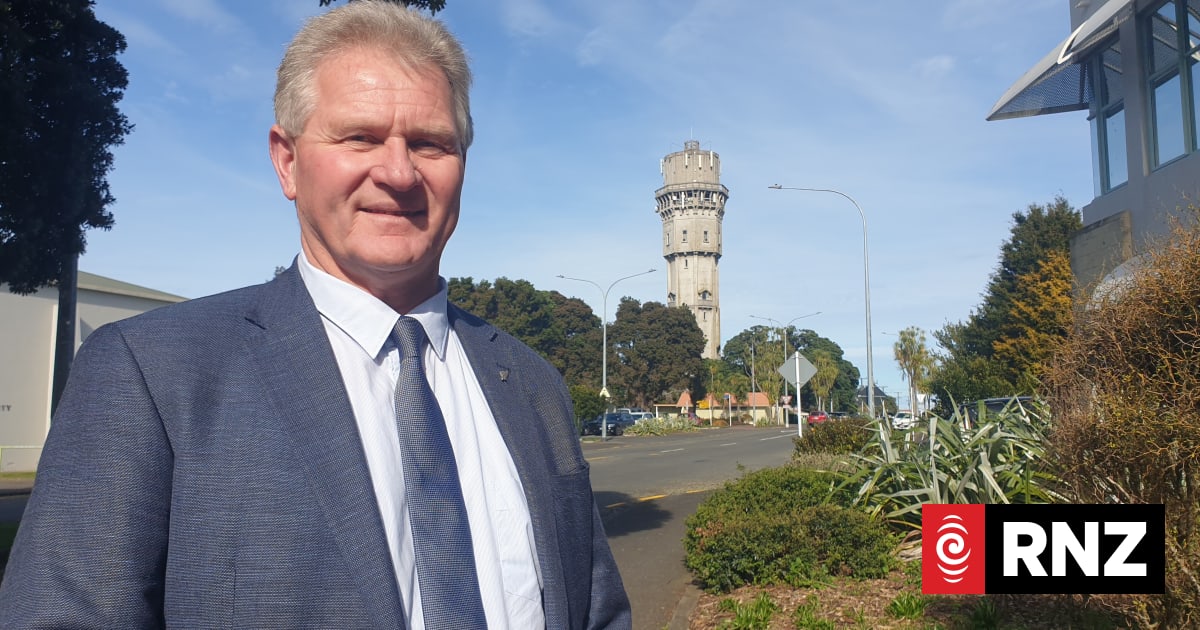
The mayor of South Taranaki is advocating for the protection of local control over services amidst potential changes to local government structures. This stance suggests a growing divide between the northern and southern regions of Taranaki regarding future governance. The mayor's statement emphasizes the importance of maintaining autonomy in service provision, indicating a desire to resist consolidation or centralized decision-making. This reform discussion points to differing priorities and visions for local governance across the Taranaki region. The specific nature of the proposed reforms and the services in question remain central to the ongoing debate. The mayor's comments signal a potential conflict over how local government should operate and be structured in the future.
The call for preserving local control in Taranaki's government reforms reflects a common tension between regional autonomy and centralized efficiency. As governance structures evolve, balancing the unique needs of distinct geographical areas like North and South Taranaki with broader regional objectives becomes critical. This dynamic often plays out through debates over service delivery, funding allocation, and decision-making authority. Understanding the underlying incentive structures driving these regional differences will be key to navigating future reforms. The long-term implications may involve exploring governance models that accommodate diverse local priorities while ensuring effective and equitable service provision across the entire region.
AI-generated to prompt reflection — not editorial opinion, not advice, not a statement of fact. How this works.