Tarbela-5 Cofferdam Collapse: Contractor, Consultant, and Wapda Blamed for Major Delays and Cost Overruns
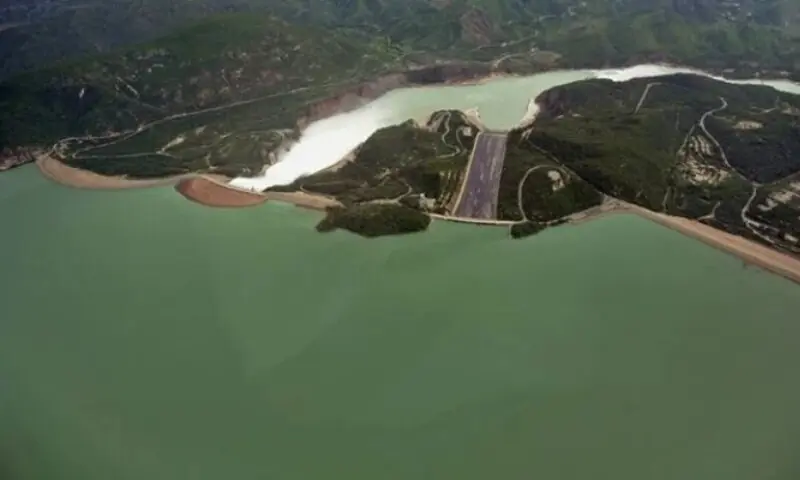
An independent inquiry committee has assigned responsibility for the August 2025 collapse of a cofferdam at the Tarbela-5 Extension Hydropower Project to all three key stakeholders: the contractor, the consultant, and the employer, Wapda. The committee cited unauthorized design changes made after the contract was signed as a primary cause of the incident. These changes, initiated by the contractor, Power Construction Corporation of China Ltd (PCCCL) and its partners HEI and HEM, involved altering the cofferdam design to a weaker rock-filled structure. The consultant, MM Pakistan-BIDR China, conditionally accepted the design deficiency without ensuring technical compliance, and Wapda ultimately approved the changes without verifying their contractual validity. The collapse has led to significant project disruptions, including an estimated two-year delay and a cost escalation of over 285%, pushing the project's budget from Rs82 billion to Rs317 billion. This increase is expected to raise the project's levelized generation cost to approximately Rs27-28 per unit over 30 years, potentially making it economically unviable. The project, which secured $700 million in loans from the World Bank and the Asian Infrastructure Investment Bank, is now slated for completion by the end of June 2028, rather than its original 2026 target. The inquiry report also revealed issues with contract management, including overlooked contractual provisions, inadequate flood protection measures despite flows being within historical levels, and irregular payments for temporary works that may have compromised government compensation rights. Wapda terminated the consultancy contract with MML-UK due to staffing issues and the firm's failure to provide qualified personnel, while the consultant also issued a notice of termination and unilaterally withdrew staff.
The Tarbela-5 cofferdam collapse highlights systemic risks in large-scale infrastructure project management, particularly when complex contractual relationships and post-contractual modifications are involved. The inquiry's findings suggest a breakdown in oversight and adherence to contractual obligations across all parties, leading to a cascade of failures. This incident underscores the critical need for robust, independent technical review processes and strict contractual enforcement, especially when significant foreign financing is involved. The substantial cost overrun and projected increase in generation cost raise questions about the long-term economic viability of such projects and the effectiveness of current governance frameworks in safeguarding public and financial resources against preventable errors and potential mismanagement. Future projects may benefit from enhanced independent monitoring mechanisms and clearer accountability structures to mitigate similar risks.
AI-generated to prompt reflection — not editorial opinion, not advice, not a statement of fact. How this works.