Tarcísio Leads São Paulo Governor Race at 46%, Ahead of Haddad's 30%, Datafolha Poll Shows
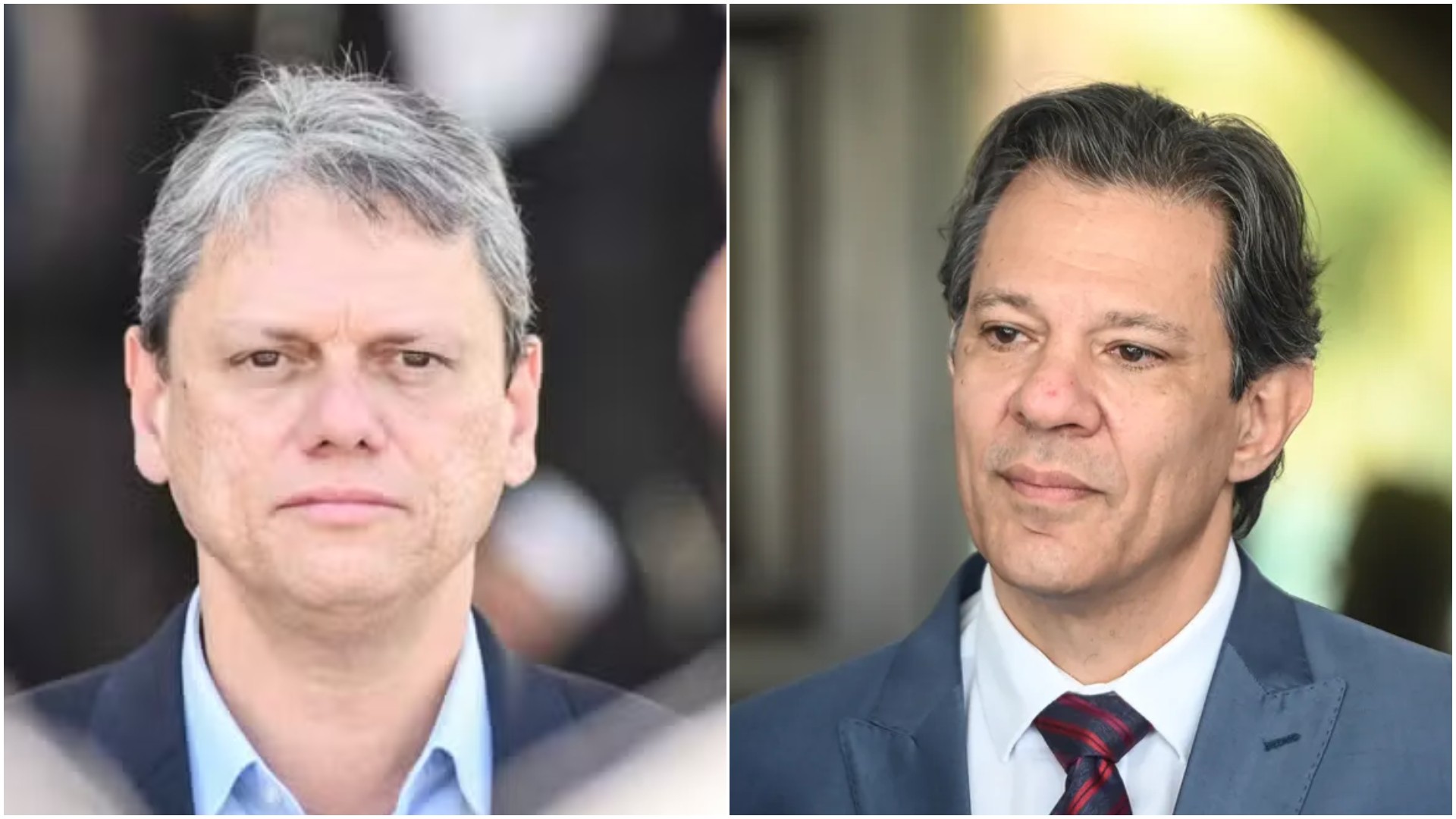
A recent Datafolha poll reveals that Tarcísio de Freitas of the Republicans is leading the race for governor of São Paulo with 46% of voter intentions. His main opponent, Fernando Haddad of the PT, trails with 30%. The survey, commissioned by Folha de S.Paulo, interviewed 1,608 individuals between November 1st and 3rd, carrying a margin of error of 2 percentage points and a 95% confidence level. This research is registered under number SP-01703/2026.
The withdrawal of Kim Kataguiri (Missão) and Paulo Serra (PSDB) from the gubernatorial contest, who collectively held about 10% of voter intentions in March, may significantly alter the electoral landscape. Their departure could lead to an unprecedented scenario with only two candidates from parties represented in the Chamber of Deputies vying for the position. Experts suggest this shift might also increase the likelihood of the election being decided in the first round.
Other candidates in the poll include Carlos Machado (PCB) with 4%, Vera Lúcia (PSTU) with 5%, and Vivian Mendes (Unidade Popular) with 4%. A significant portion, 8%, indicated they would vote blank, null, or for none, while 3% were undecided. Regarding rejection rates, Haddad faces the highest at 47%, followed by Tarcísio de Freitas at 29%, Carlos Machado and Vera Lúcia at 22% each, and Vivian Mendes at 15%.
This poll data reflects a snapshot of voter sentiment in São Paulo, highlighting Tarcísio de Freitas's current lead over Fernando Haddad. The dynamics of candidate withdrawals and potential first-round resolution underscore the fluidity of electoral contests, where strategic positioning and shifting alliances can significantly impact outcomes. As parties and candidates assess these trends, they will likely adjust their campaign strategies. The high rejection rates for some candidates, particularly Haddad, suggest that voter fatigue or dissatisfaction with established political figures remains a significant factor. In the evolving political landscape, candidates who can effectively navigate public perception and address voter concerns, while also adapting to structural changes like reduced candidate diversity, may gain a strategic advantage. Future electoral cycles will likely see increased focus on coalition-building and direct voter engagement to overcome polarization and apathy.
AI-generated to prompt reflection — not editorial opinion, not advice, not a statement of fact. How this works.