Tartar Buildup May Indicate Diabetes, Hungarian Study Suggests
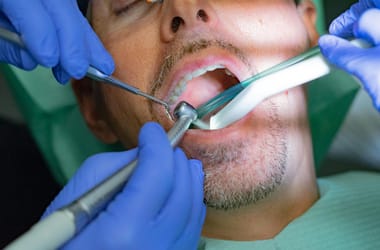
Hungarian researchers have discovered that analyzing tartar can reveal information about an individual's metabolic disorders. The study indicates that the composition of tartar, the calcified deposit on teeth, may serve as a diagnostic indicator for such conditions. This finding suggests a potential non-invasive method for early detection or monitoring of metabolic issues. Further investigation into the specific markers within tartar could lead to new diagnostic tools. The research highlights the intricate connection between oral health and systemic health. Understanding these links is crucial for comprehensive patient care. The study's implications extend to preventive medicine and public health strategies. It underscores the importance of regular dental check-ups not just for oral hygiene but also for overall well-being.
This research suggests a potential link between oral health indicators and systemic metabolic conditions, offering a novel diagnostic avenue. By analyzing tartar, a readily accessible biological sample, clinicians might gain insights into a patient's metabolic status without requiring more invasive procedures. This approach could align with preventative healthcare trends, emphasizing early detection and management of metabolic disorders. Future developments may focus on refining the analytical techniques for tartar to identify specific biomarkers, potentially improving diagnostic accuracy and enabling personalized treatment strategies. The long-term impact could involve integrating oral health assessments more formally into routine medical check-ups, fostering a more holistic view of patient health.
AI-generated to prompt reflection — not editorial opinion, not advice, not a statement of fact. How this works.