Tasmania's Historic West Coast Rail Journey: A Slow but Ingenious Route
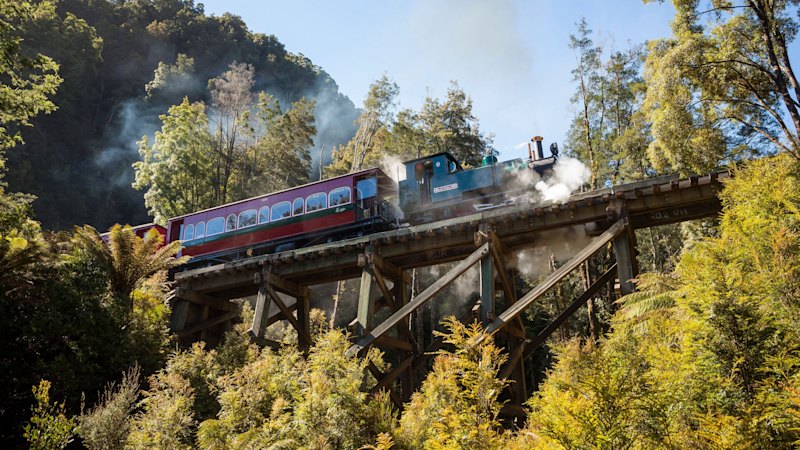
A 130-year-old railway route through Tasmania's rugged west coast offers a unique travel experience, prioritizing ingenuity and persistence over speed. This historic journey, where the top speed reaches only 20 km/h, stands as a testament to the resourcefulness of its creators. The route traverses a wild and remote landscape, showcasing the challenges and triumphs of establishing infrastructure in such terrain. Beyond the engineering marvel, the experience is also characterized by a touch of traditional hospitality, including the serving of scones. This slow-paced rail line is not just a mode of transport but a living piece of history, demonstrating how past generations adapted to their environment.
This historic Australian rail line, operating at a maximum speed of 20 km/h, highlights a stark contrast with modern high-speed transit ambitions. Its continued operation, despite its limited velocity, suggests a value proposition rooted in heritage tourism and a unique experiential offering rather than pure efficiency. The route's longevity and the mention of 'ingenuity and persistence' point to the enduring appeal of historical infrastructure and the human capacity to adapt and innovate within environmental constraints. This case prompts consideration of how slower, more deliberate forms of travel can coexist with, and even complement, faster networks, potentially catering to niche markets seeking authenticity and a connection to the past, while also serving as a reminder of the engineering challenges inherent in developing remote regions.
AI-generated to prompt reflection — not editorial opinion, not advice, not a statement of fact. How this works.