Tata Steel Faces Potential "Astronomical" Fines and Executive Penalties
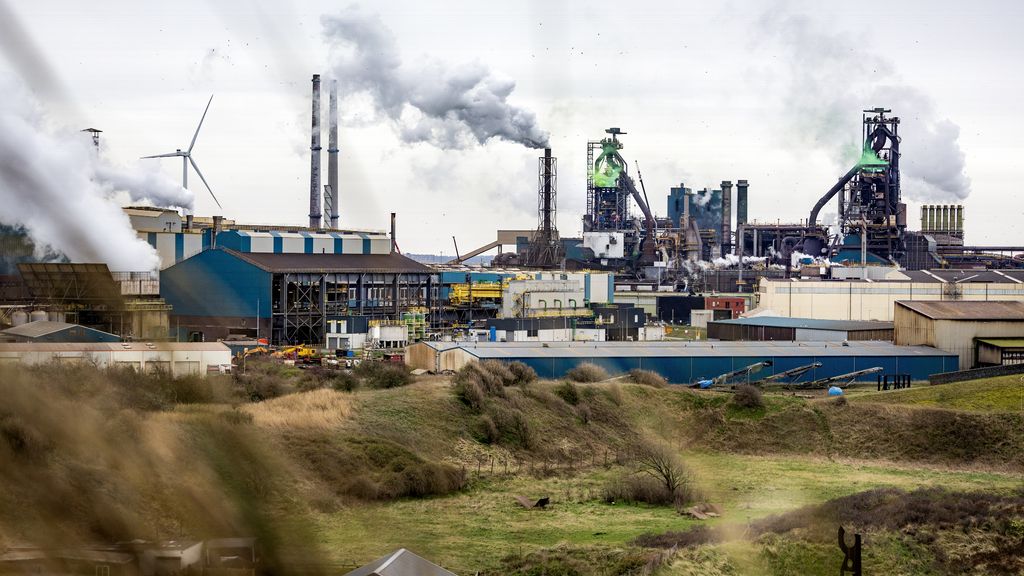
Tata Steel is facing criminal prosecution for the first time, with potential severe consequences including hefty fines, executive prison sentences, and even factory shutdown, according to legal experts. The company could be fined up to 10% of its annual turnover, potentially reaching around 600 million euros, a sum described as "astronomical." While actual fines are often lower, there's growing criticism that they don't adequately offset the profits gained from non-compliance. In addition to fines, Tata Steel might have to pay compensation to local residents. This could include the forfeiture of illicit gains if the company saved money by not investing in environmental improvements as agreed. Professor Joep Lindeman of Utrecht University noted that such economic advantages could be treated as criminal proceeds. The prosecution also opens the possibility of executives facing prison time, with maximum sentences of fifteen years if the emissions are proven to have caused fatalities and if an executive could have personally prevented it. However, proving personal culpability for executives is legally complex, and convictions often result in shorter, suspended sentences, or community service rather than lengthy imprisonment. Community service aims to deter future offenses and allow offenders to contribute to society. The legal proceedings occur at a critical juncture for Tata Steel, as it seeks a 2 billion euro government subsidy for green initiatives. A previous agreement allows the government to withdraw funding if serious concerns arise from a criminal investigation. The company's prosecution is expected to cause significant reputational damage, potentially impacting its subsidy application. The Public Prosecution Service will disclose the specific charges against Tata Steel and any individuals involved in November.
This legal action against Tata Steel highlights the escalating regulatory scrutiny on industrial polluters and the potential for environmental law to intersect with criminal proceedings. The prospect of "astronomical" fines and executive accountability signals a shift towards holding corporations more directly responsible for environmental damage, moving beyond civil penalties. The case underscores the systemic challenge of balancing industrial economic activity with environmental protection, particularly when significant public funds are involved. Future environmental governance may need to integrate more robust mechanisms for ensuring corporate compliance and internalizing environmental costs, especially as industries pursue large-scale green transitions that rely on public investment. The reputational damage and potential impact on subsidy acquisition demonstrate the interconnectedness of legal standing, public perception, and economic viability in the modern corporate landscape.
AI-generated to prompt reflection — not editorial opinion, not advice, not a statement of fact. How this works.