Tata Steel Ordered to Remediate Contaminated Soil in Velsen-Noord
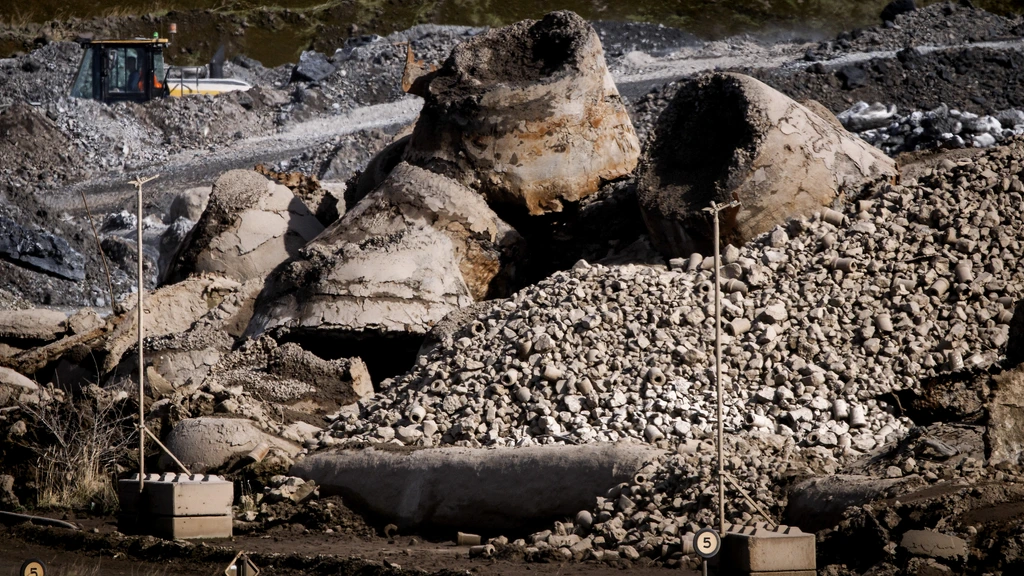
Tata Steel has been ordered to remediate contaminated soil and groundwater at its Velsen-Noord site near Mergelkade. The Environmental Service North Sea Canal Area (OD NZKG) has approved the steel company's remediation plan and will oversee the work for the coming years. The contamination resulted from the storage of approximately 835,000 tons of steel slag on the site, which had been accumulating there since 2018. Investigations in 2024 revealed that substances from the steel slag had leached into the soil and groundwater. Steel slag, a byproduct of steel production, can release harmful substances like vanadium and chromium when in prolonged contact with water. Tata Steel was instructed to cease the storage and remove the steel slag by November 2025. Some of the slag has been transported to the Baltic states, while other portions are temporarily stored at Pelt & Hooykaas on the Tata Steel premises. The remaining layer of compacted slag and slag sand has also been removed. The approved remediation plan requires Tata Steel to excavate and remove a significant portion of the contaminated soil, followed by backfilling with clean soil or sand. Additionally, the company must implement measures to prevent further spread of vanadium through groundwater. The Environmental Service has imposed further conditions, including ongoing reporting of progress and measurement results, focusing on vanadium and chromium concentrations and groundwater acidity.
This situation highlights the environmental responsibilities associated with industrial byproducts like steel slag. The long-term storage of large quantities, approximately 835,000 tons, created a significant environmental liability, necessitating a remediation plan. The approved plan, involving excavation, removal, and the implementation of preventative measures against groundwater contamination, addresses the immediate issue. However, it also raises questions about the initial storage practices and the adequacy of oversight. Future industrial operations will need to incorporate more robust, proactive environmental management systems to prevent such contamination events. This includes exploring advanced waste management techniques and ensuring that byproduct storage facilities are designed to mitigate long-term environmental risks, especially concerning the potential for leaching of harmful substances like vanadium and chromium into surrounding ecosystems. The regulatory oversight by the OD NZKG underscores the importance of continuous monitoring and enforcement to ensure compliance and protect environmental health.
AI-generated to prompt reflection — not editorial opinion, not advice, not a statement of fact. How this works.