Tate Brothers Challenge Extradition to UK Amid New Charges
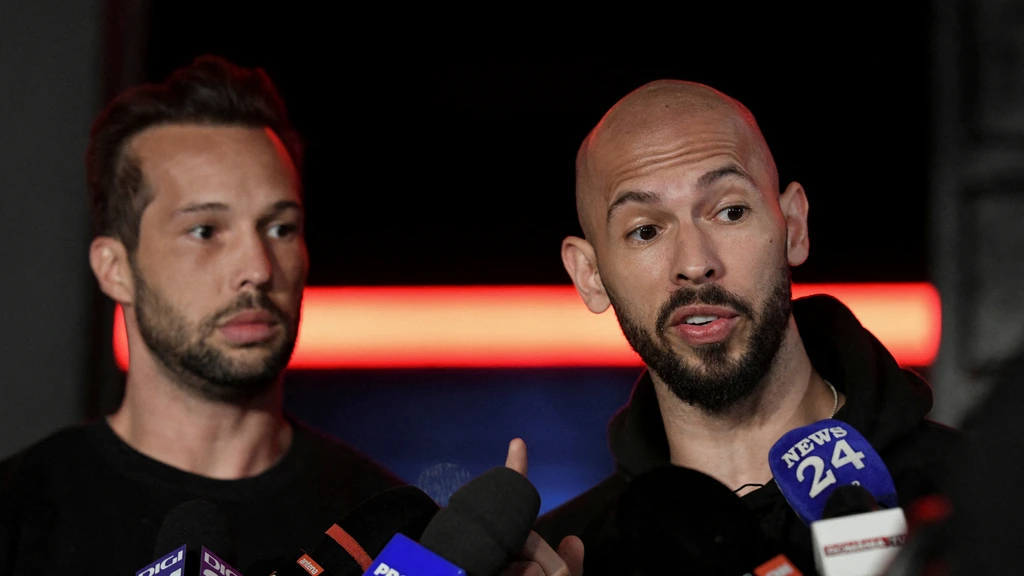
Influencer brothers Andrew and Tristan Tate intend to contest their extradition to the United Kingdom. They appeared before a U.S. judge in Miami, wearing prison attire and handcuffs, for the first time since their arrest this past weekend. Their legal team is challenging the legality of their arrest in Miami at the request of British authorities. The brothers face a total of 59 charges in the UK. Originally charged last year with 21 offenses involving three victims, an additional 38 charges were added this weekend. These new allegations include rape, human trafficking, assault causing bodily harm, possession of child abuse material, and possession of extreme pornography, with the UK's Crown Prosecution Service stating these acts allegedly occurred between 2010 and 2017. The Tate brothers are known for their polarizing online presence, particularly Andrew Tate, who has amassed over 10 million followers on X and promotes themes of wealth, fitness, and masculinity. He has been banned from platforms like YouTube, TikTok, and Instagram for violating hate speech policies, having previously made controversial statements about women and sexual assault. Their lawyer, Joseph McBride, has dismissed the new charges as "filth and slander" and suggested the arrest was politically motivated, a claim denied by the U.S. Department of Justice. The brothers remain in custody in the U.S. pending a judge's decision on extradition in the coming weeks.
The legal proceedings against the Tate brothers highlight the complex interplay between online influence, alleged criminal conduct, and international extradition processes. The significant expansion of charges suggests a thorough investigation by UK authorities, aiming to address a broad spectrum of serious allegations spanning several years. The defense's strategy of challenging the extradition and labeling charges as "filth and slander" indicates a focus on procedural and reputational defenses. This case underscores the evolving challenges for legal systems in addressing content and conduct originating from influential online personalities, particularly within the 'manosphere' discourse, and raises questions about platform accountability and the global reach of digital influence versus national legal frameworks. The outcome will likely depend on the strength of evidence presented and the judicial interpretation of extradition treaties and due process in the digital age.
AI-generated to prompt reflection — not editorial opinion, not advice, not a statement of fact. How this works.