Tattoo Artist Testifies in Rio Over TikTok Live Sexual Harassment
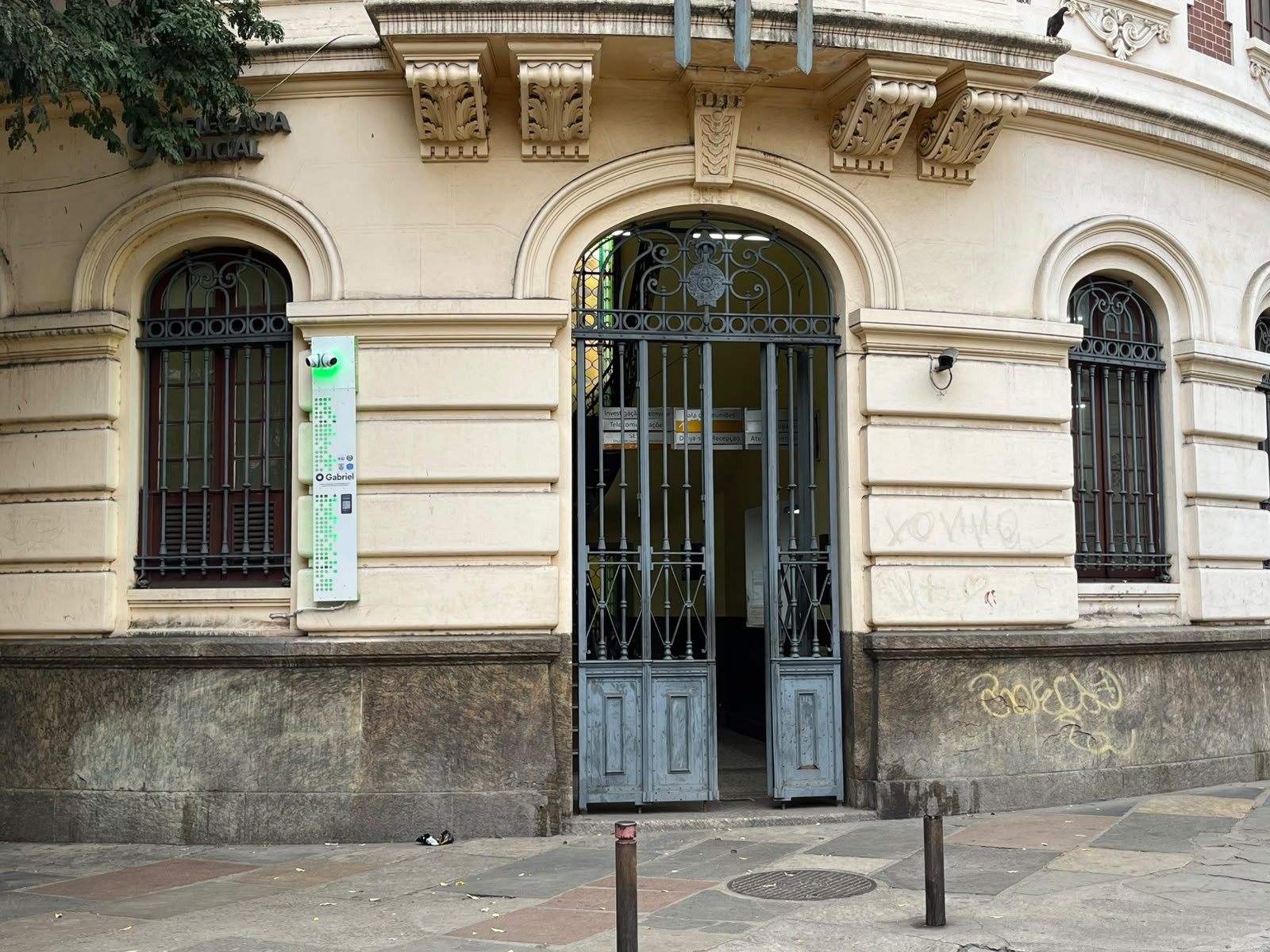
Tattoo artist and content creator Taís Thorpe testified on Friday, February 24th, at the 9th Police Station in Catete, Rio de Janeiro, regarding an incident of sexual harassment she experienced during a TikTok live stream. Thorpe reported that a man, while wearing the uniform of a pizzeria from Ceará, made obscene gestures and masturbated in front of the camera during her broadcast. She described the experience as deeply traumatic, exacerbated by subsequent revictimization and the company's perceived lack of immediate action. Thorpe stated that she faced numerous attacks following the incident but also received significant support from other women who shared similar experiences. She chose to focus on this support and pursue justice, leading her to file a report with the police, who she found to be empathetic and helpful in their investigation. The 9th DP is actively working to identify the perpetrator. The pizzeria, Via Pizza, issued a statement condemning the employee's alleged conduct and confirmed that appropriate labor measures have been taken. The company's lawyer, Ricardo Cavalcante, acknowledged the disturbing nature of the video, which shows an employee in uniform using a personal phone to access a public live stream and engage in the alleged act. Via Pizza expressed solidarity with Thorpe and pledged full cooperation with any investigation, while noting that specific details regarding disciplinary actions against the employee cannot be disclosed due to labor laws. The establishment emphasized that the incident did not occur during customer service and was accessed via the employee's personal device outside of work hours.
This incident highlights the pervasive challenges of online harassment and the complex interplay between individual accountability, corporate responsibility, and platform governance. The victim's experience underscores the critical need for robust content moderation policies on social media platforms and swift, effective responses from employers when their staff engage in misconduct outside of direct work duties. The pizzeria's swift public condemnation and stated labor actions suggest an awareness of reputational risk and potential legal liabilities, while the legal constraints on disclosing employee disciplinary details reflect broader privacy and labor law considerations. Moving forward, the case prompts reflection on how digital platforms can better protect users from egregious behavior and how companies can establish clearer ethical guidelines and enforcement mechanisms for employees' online activities, even when conducted on personal devices outside of work hours, to prevent future revictimization and uphold community standards.
AI-generated to prompt reflection — not editorial opinion, not advice, not a statement of fact. How this works.