Taubaté Cataract Surgery Campaign Resumes Amidst Hospital Management Change
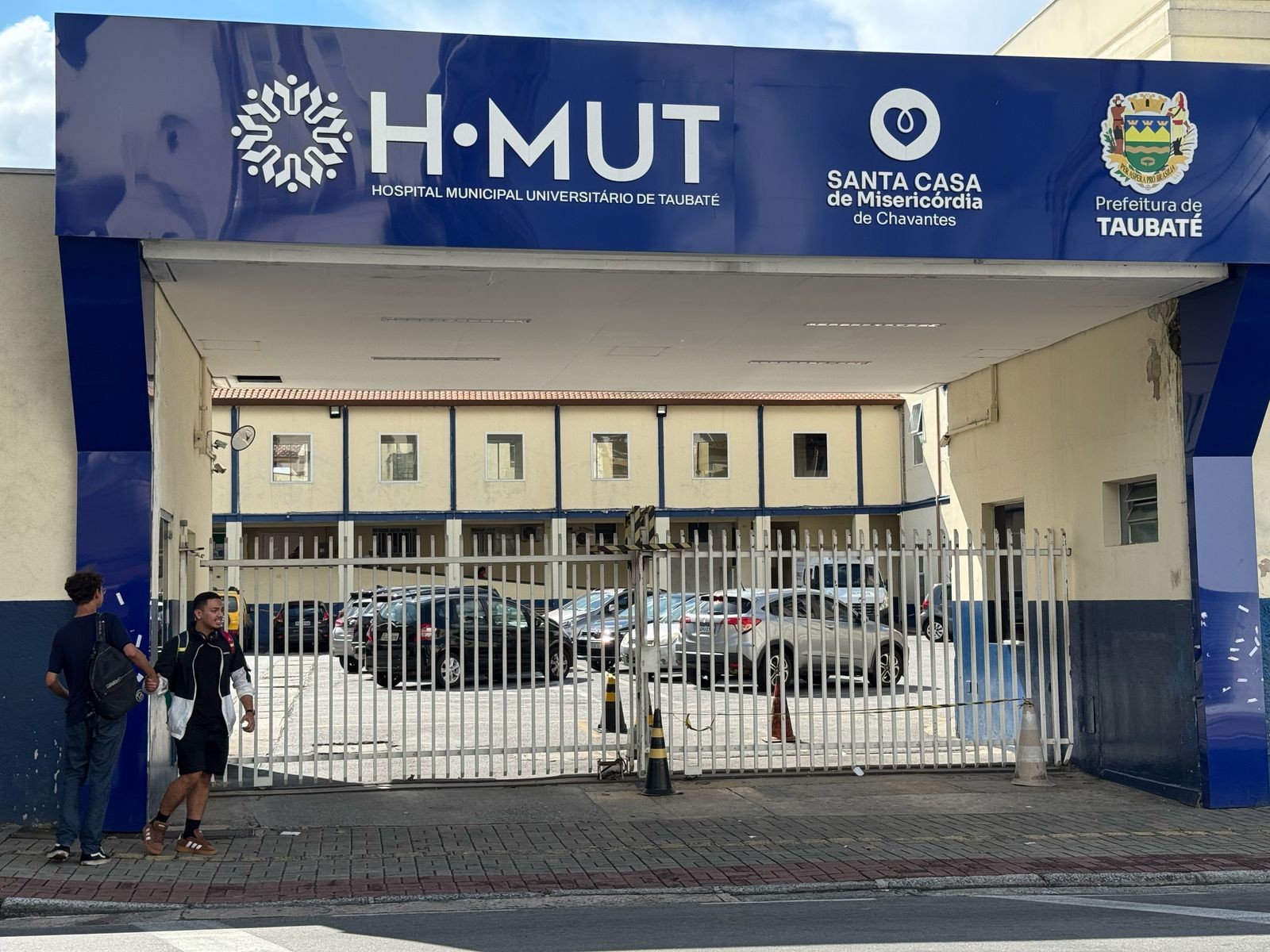
The Municipal University Hospital of Taubaté (Hmut) has received authorization from the Health Surveillance agency to resume its cataract surgery campaign, which had been suspended since Friday, March 3rd. The suspension was due to a documentation issue concerning the planning and validation of medical teams for the initiative. The Health Surveillance agency cited a lack of evidence for the execution plan. The Santa Casa de Chavantes, the social organization currently managing the hospital, stated that all documentation was in order and that scheduled consultations and surgeries would proceed. Approximately 900 patients are expected to benefit from the campaign. This authorization comes at a time of significant transition for the Hmut, as the Taubaté City Hall announced on Wednesday, April 1st, that it would not renew its contract with Santa Casa de Chavantes, which expires at the end of July. A new bidding process to select the next hospital administrator has not yet been released. Coinciding with these developments, hospital staff staged a four-hour work stoppage on Wednesday to demand unpaid salaries, which concluded after the payments were deposited. The workers reported that patient care was not affected during the strike.
The resumption of the cataract surgery campaign, following a temporary suspension by health authorities, highlights the critical interplay between public health initiatives and administrative oversight. The timing of this resolution, coinciding with a change in hospital management and employee salary disputes, suggests potential systemic vulnerabilities in operational continuity and communication. The situation underscores the importance of robust, transparent documentation and planning processes for large-scale public health programs, especially during periods of organizational transition. Future governance models for public healthcare facilities should prioritize clear protocols for administrative changes to ensure uninterrupted patient care and compliance with regulatory standards, thereby mitigating risks associated with operational disruptions and maintaining public trust.
AI-generated to prompt reflection — not editorial opinion, not advice, not a statement of fact. How this works.