Taubaté City Council Postpones Land Auction Vote, Approves New Building Code
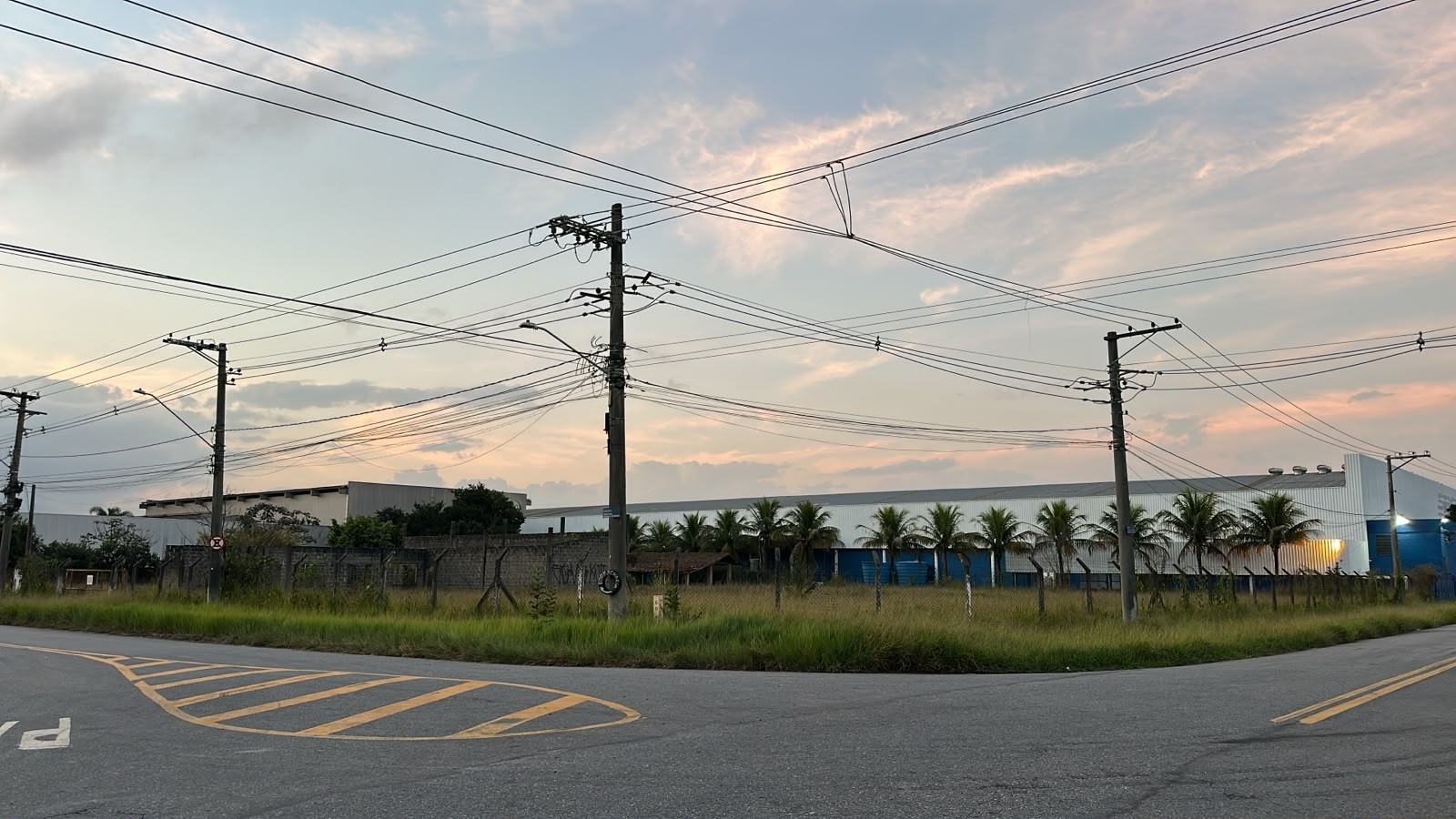
The Taubaté City Council postponed a vote on a proposal to auction a public land parcel of 6,203.39 square meters in Quiririm. This land, located in the Vale do Piracangaguá Industrial Area on Avenida José Geraldo de Mattos Barros, was intended to be sold by the Prefecture to generate revenue and address an estimated debt exceeding R$1 billion. The proposal aimed to give an economically useful purpose to an underutilized property, potentially attracting private investment, stimulating business, creating jobs, and increasing tax revenue. Funds raised were earmarked for capital expenses or public interest investments. The project requires two council votes and mayoral sanction before it can proceed to auction. In parallel, the Council approved an updated Building Code, replacing a 32-year-old regulation. This modernization aims to align with current urban planning legislation and licensing processes. A key change is the expansion of the Electronic Fast Permit system, allowing for quicker approval of construction and renovation projects through a self-declaration process without prior municipal review.
The Taubaté City Council's decision to postpone the land auction vote, while simultaneously approving a modernized Building Code, presents a mixed approach to municipal development. The postponement suggests a need for further deliberation on the financial strategy of selling public assets, potentially indicating concerns about the valuation process or the long-term implications of asset divestment versus alternative revenue generation. The approval of the new Building Code, however, signals a proactive effort to streamline development processes and adapt to contemporary urban planning needs. This could foster private sector engagement and economic activity by reducing bureaucratic hurdles. The interplay between these two actions highlights a common municipal challenge: balancing immediate fiscal needs with sustainable urban growth strategies. Future considerations may involve exploring a wider array of public asset management tools and ensuring that modernization efforts in permitting are robustly implemented to achieve their intended economic and developmental benefits.
AI-generated to prompt reflection — not editorial opinion, not advice, not a statement of fact. How this works.