Taubaté City Hall Approves New Building Code to Streamline Construction
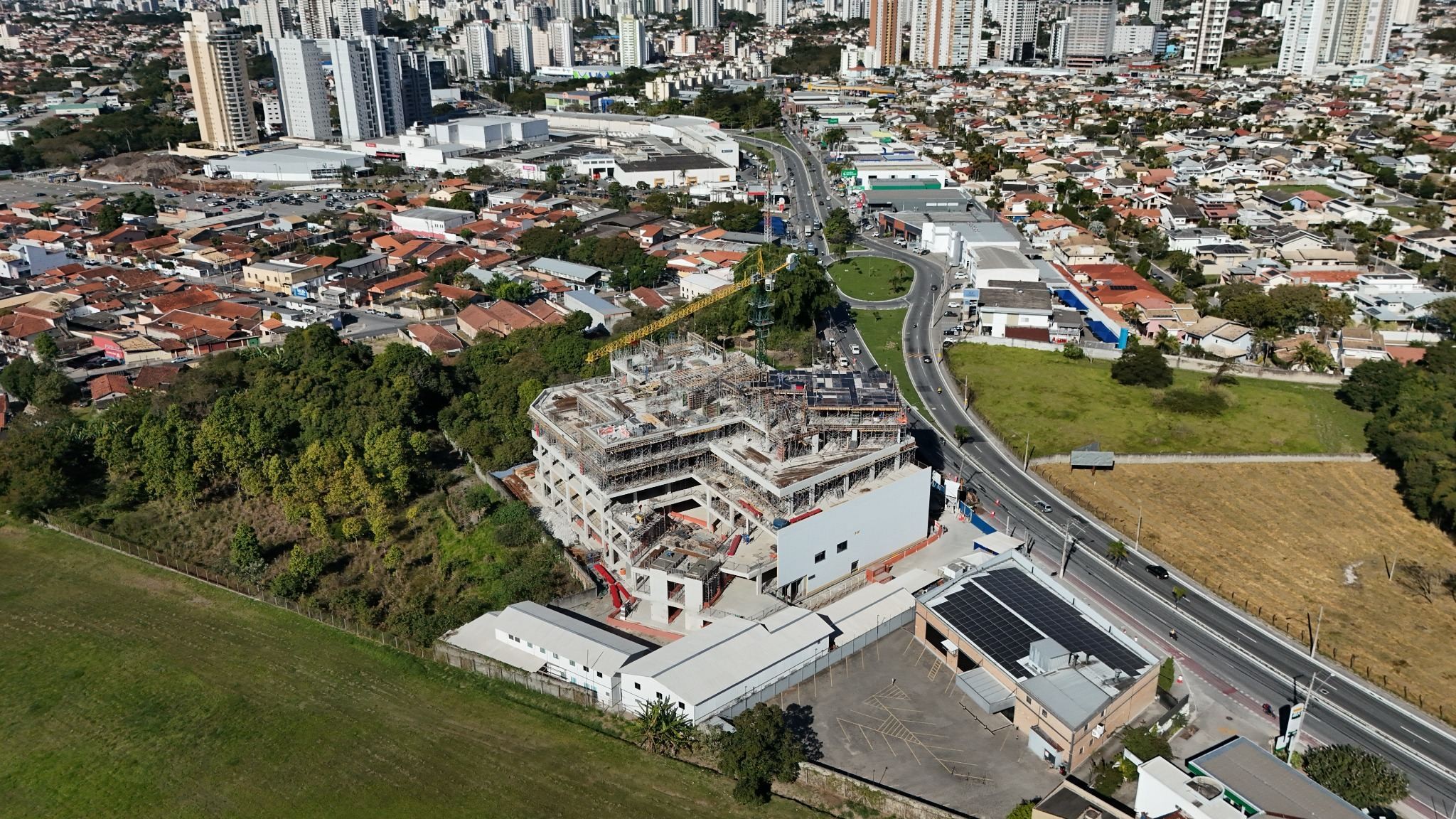
Taubaté City Hall has enacted a new Building and Construction Code, replacing a 32-year-old regulation that had become outdated and overly bureaucratic. The updated code aims to modernize and simplify urban planning and construction licensing processes, providing greater legal certainty for citizens and professionals. It introduces measures to accelerate project approvals, benefiting both large developments and small builders by enhancing predictability and reducing economic losses associated with outdated regulations and legal insecurity.
The new code emphasizes de-bureaucratization and agility, expanding the Electronic Fast Permit (ARE) system and waiving prior municipal review for certain projects. It also exempts internal repairs and renovations from licensing requirements and introduces self-declaration procedures for external renovations and demolitions. For existing constructions, a "Responsible Inspection" system allows hired professionals to submit reports, expediting the permit process. The code also establishes a new cutoff date for legalizing non-compliant existing buildings and simplifies regularization procedures, significantly reducing associated fines and costs.
Key innovations include modernizing safety requirements, such as making the AVCB (Fire Department Approval Certificate) a requirement only for commercial activity registration, not for non-residential building permits. It also promotes sustainability through incentives for water reuse, solar energy, and recycling, introducing a "Sustainable Taubaté Seal." The code incorporates new construction techniques like container and frame structures, improves accessibility standards, and facilitates social housing projects with compatible requirements and technical assistance for low-income families. Rural construction exemptions and enhanced, transparent inspection mechanisms with adjusted penalties are also included.
The Taubaté municipal government's adoption of a revised building code signifies a proactive effort to address systemic inefficiencies that have historically hampered economic development within the construction sector. By updating regulations that had remained static for over three decades, the city aims to foster a more dynamic and predictable environment for investment and growth. The emphasis on de-bureaucratization, digital processes, and simplified legal frameworks reflects a broader trend in public administration seeking to leverage technology and streamlined governance to improve service delivery. This initiative, developed through public consultation, seeks to balance the need for innovation and economic stimulus with essential technical and safety standards, potentially reducing barriers to entry for smaller developers and encouraging compliance among existing property owners. The long-term impact will depend on the effective implementation and enforcement of these new provisions, particularly in ensuring that the "Responsible Inspection" and self-declaration mechanisms maintain integrity while genuinely expediting processes.
AI-generated to prompt reflection — not editorial opinion, not advice, not a statement of fact. How this works.