Taubaté Deploys Task Force and Cameras to Combat Illegal Dumping
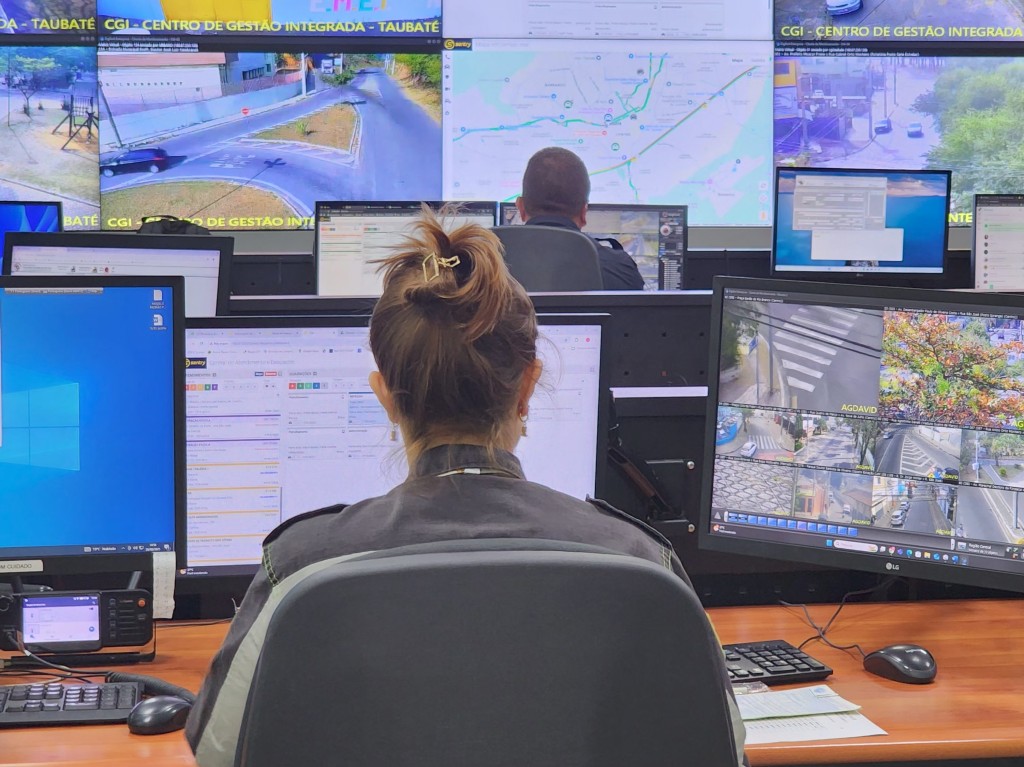
The Municipality of Taubaté is intensifying its efforts to combat illegal dumping of trash and debris in public areas through integrated actions involving various municipal departments. In addition to inspection, cleaning, and security teams, the city is utilizing cameras from the Integrated Management Center (CGI) for monitoring and identifying violations. This monitoring is part of a task force established to reclaim areas used for illegal waste disposal and prevent these practices, which harm the environment, public health by fostering mosquito breeding grounds for dengue, and public safety. Approximately 160 recurring illegal dumping sites have been identified across different neighborhoods, allowing the task force to concentrate its enforcement, cleaning, and recovery operations. When illegal dumping is detected in monitored zones, CGI operators alert the Municipal Guard (GCM) or Posture Inspection teams for immediate intervention. The city has a total of 2,662 cameras installed in public spaces and streets, which aid in identifying vehicles and individuals responsible for the illegal dumping, facilitating the issuance of fines. Recent successes include the removal of 23 tons of waste from a public area in Jardim Paulista and the revitalization of a site along Estrada do Barreiro into a parking area. Residents are encouraged to report illegal dumping via the municipality's website or by calling the GCM at 153.
Taubaté's initiative to tackle illegal dumping by integrating technology like CCTV with a dedicated task force represents a systemic approach to environmental and public health challenges. The strategy leverages data from 2,662 cameras and identified hotspots to optimize resource allocation for enforcement and cleanup. This data-driven methodology aims to deter future infractions by increasing the likelihood of detection and accountability. The program's success hinges on sustained operational capacity and the continued engagement of citizens through reporting mechanisms, suggesting a model for urban waste management that balances technological surveillance with community participation. The long-term effectiveness will depend on addressing the root causes of illegal dumping, such as waste disposal costs and accessibility, and adapting enforcement strategies as urban dynamics evolve.
AI-generated to prompt reflection — not editorial opinion, not advice, not a statement of fact. How this works.