Taubaté Invites Three Social Organizations for Emergency Hospital Management Contract
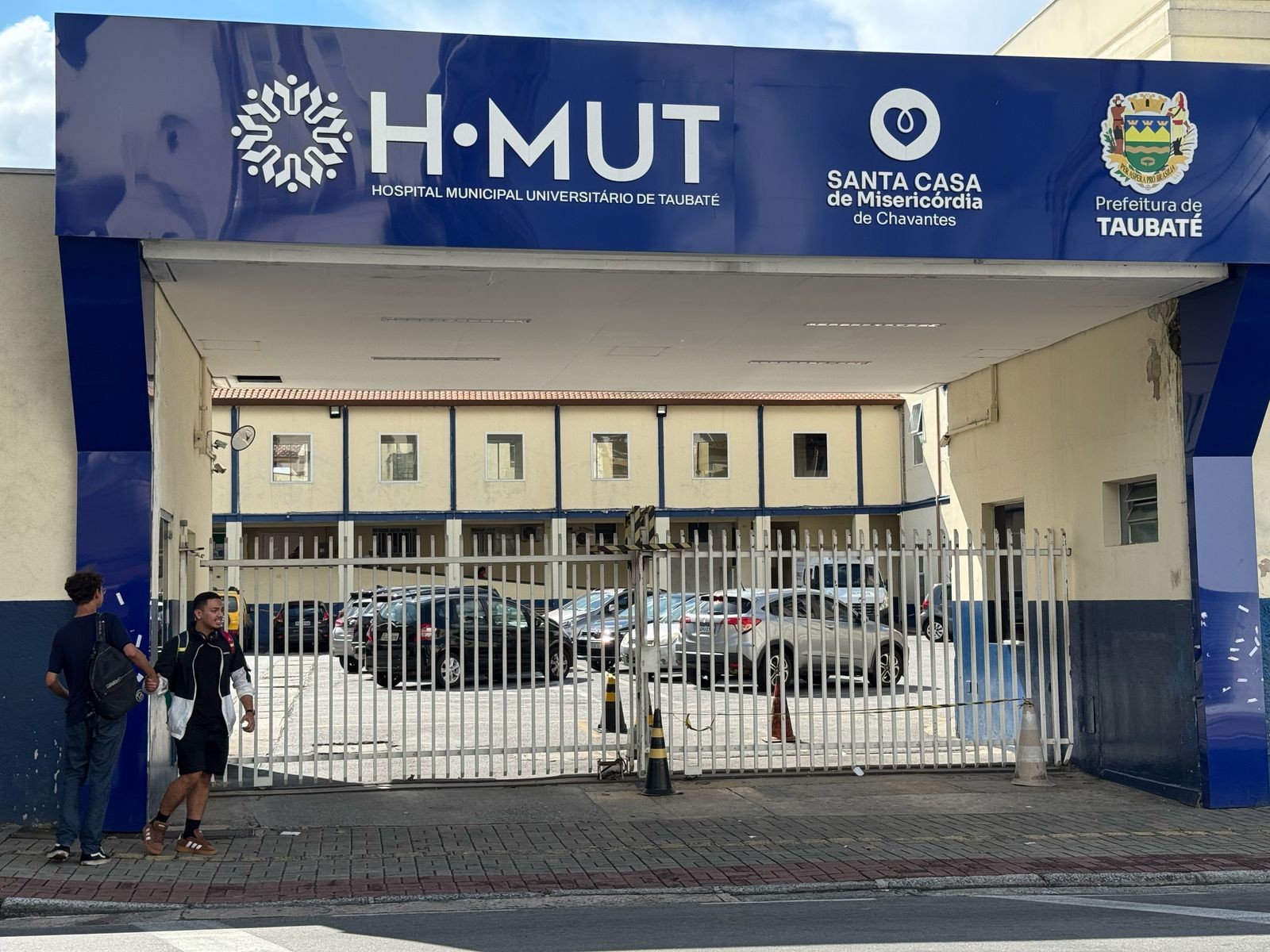
The Taubaté City Hall has invited three social organizations to compete for an emergency management contract for the Municipal University Hospital (Hmut) in Taubaté. This temporary measure is in place while the municipality finalizes a bidding process to select a permanent social organization to manage the hospital. The invited organizations are Cejam, which operates in 18 municipalities and manages several health units in São José dos Campos; Seconci-SP, responsible for managing health units and two hospitals in São Paulo city; and SPDM, which operates in four states and manages 24 hospitals. Notably, SPDM previously managed Hmut from 2019 to 2024 before rescinding the contract due to an alleged debt of approximately R$ 30 million from the city.
The selection of these three organizations was based on criteria developed by the city hall, including a ranking from the Brazilian Institute of Social Organizations of Health (Ibross). Organizations managing prominent public hospitals were considered, provided they were also accredited to operate in Taubaté. The city's Secretary of Administration, Mateus do Prado, explained that organizations seeking to qualify as social organizations in the municipality undergo an ongoing accreditation process, submitting required documentation.
Meanwhile, the definitive bidding process for Hmut's long-term management is underway, with the public notice issued on Tuesday, May 14. The winning organization will take over after a transition period. However, the current administrator, Santa Casa de Chavantes, claims the process is irregular. They state that the transition, which requires a minimum of 30 days and can be extended, has not yet begun, despite the current contract ending in 15 days. Santa Casa de Chavantes warns that this delay directly impacts service provision, patient care, and employee continuity.
The Taubaté City Hall's approach to managing the Hmut hospital highlights a common tension between the need for immediate operational continuity and the rigorous requirements of public procurement. By opting for an emergency contract, the municipality aims to avoid service disruption, but this strategy introduces potential risks related to transparency and competitive fairness. The selection process, while referencing external rankings, relies on internal criteria and direct invitations, which may not fully satisfy principles of open competition. The dispute with the current administrator, Santa Casa de Chavantes, over the transition period underscores the complexities of contract termination and handover, particularly when significant financial claims are involved. Looking ahead, the municipality must ensure the definitive bidding process is robust and transparent to rebuild trust and establish a stable, long-term management structure, mitigating the systemic risks associated with frequent or contentious changes in public service providers.
AI-generated to prompt reflection — not editorial opinion, not advice, not a statement of fact. How this works.