Taubaté Prepares Água Quente Neighborhood for "Bairros Vivos" Project
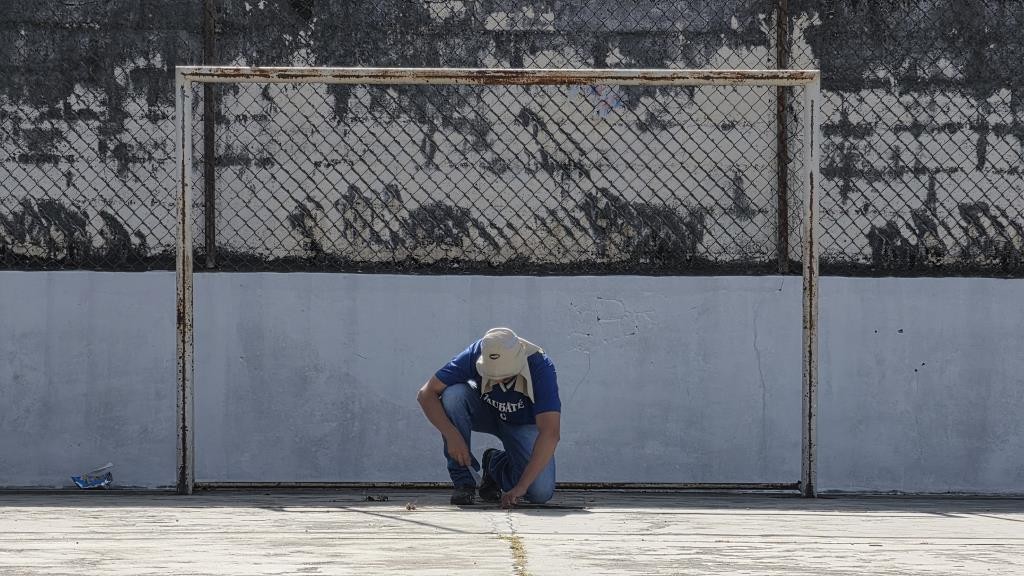
Taubaté City Hall teams are undertaking extensive zeladoria (upkeep) services in the Água Quente neighborhood to prepare for the 9th edition of the "Bairros Vivos" (Living Neighborhoods) project. Key activities include weeding, mowing, revitalizing road signs and playgrounds, and cleaning storm drains. Maintenance and revitalization efforts are also underway at the Água Quente Medical and Dental Care Post (Pamo) and the Community Center, involving painting, floor repairs, and lighting upkeep. Additional services are scheduled for the coming days, executed by various city departments including Public Services, Works, Sports, Urban Mobility, and Education.
The "Bairros Vivos" project is set to take place on August 8th, from 10 AM to 4 PM, at the Água Quente Community Center, located at R. José da Cruz, 170. The event aims to bring municipal services closer to residents of Água Quente and surrounding neighborhoods, offering information, guidance, sports, and recreational activities. Launched in July of the previous year, the project's goal is to foster community engagement with city services and transform public spaces into renewed and revitalized areas. This initiative is part of a broader plan to bring services and improvements to various neighborhoods across Taubaté on an itinerant basis.
The "Bairros Vivos" project exemplifies a municipal strategy to enhance public service delivery and urban revitalization through direct community engagement. By concentrating zeladoria efforts and service provision in specific neighborhoods, the initiative aims to improve local infrastructure and resident satisfaction. This approach, while potentially effective in the short term for targeted areas, raises questions about equitable resource distribution across all of Taubaté's neighborhoods over the long term. The project's success hinges on its ability to create sustainable improvements beyond the event dates and to demonstrate a replicable model for future urban development and citizen outreach, particularly as AI-driven urban planning tools become more prevalent.
AI-generated to prompt reflection — not editorial opinion, not advice, not a statement of fact. How this works.