Taubaté Sees 24% Surge in Red Light Running Fines in First Half of 2026
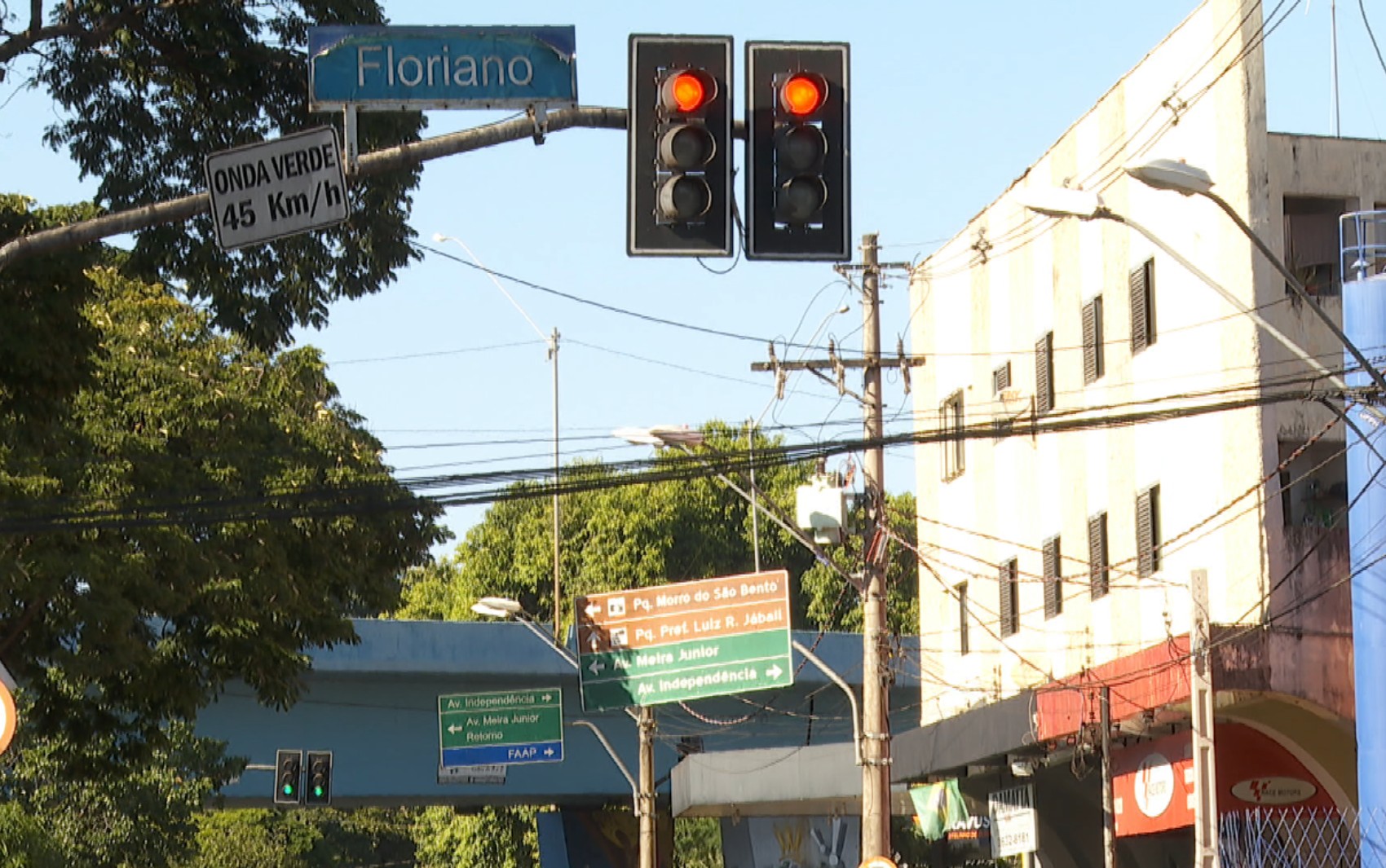
In Taubaté, São Paulo, fines for running red lights significantly increased by 23.92% during the first half of 2026 compared to the same period in 2025. Electronic surveillance recorded a total of 15,563 citations for this offense between January and June 2026, an increase of 3,004 from the 12,559 recorded in the prior year. Despite this rise in red light violations, the overall number of traffic infractions in the city decreased. A total of 75,380 citations were issued in the first six months of 2026, down from 82,512 in the first half of 2025, representing an 8.64% reduction or 7,132 fewer fines. Other serious traffic offenses also saw an increase. Fines for exceeding the speed limit by 20% to 50% rose slightly from 3,726 to 3,768, a 1.13% increase. Citations for speeds over 50% above the limit grew by 9.3%, from 430 to 470. Violations for stopping in pedestrian crosswalks also climbed by 2.73%, from 6,529 to 6,707. Conversely, fines for exceeding the speed limit by up to 20% decreased by 6.37%, with citations falling from 36,960 to 34,604. Irregular parking fines also saw a notable drop of 12.93%, decreasing from 8,992 to 7,829.
The reported increase in red light running and other high-risk traffic violations in Taubaté suggests a potential disconnect between enforcement strategies and driver behavior, or perhaps a shift in enforcement focus. While overall traffic infractions decreased, the rise in specific dangerous offenses warrants examination of contributing factors, such as traffic flow changes, public awareness campaigns, or the effectiveness of current penalties. Understanding the systemic incentives or disincentives influencing driver adherence to traffic signals and speed limits will be crucial for developing more effective public safety initiatives. Looking ahead, the integration of advanced traffic management systems and data analytics could offer more nuanced insights into preventing such violations and improving road safety in the long term.
AI-generated to prompt reflection — not editorial opinion, not advice, not a statement of fact. How this works.