Taubaté Taps Three Orgs for Emergency Hospital Contract Amid Transition Concerns
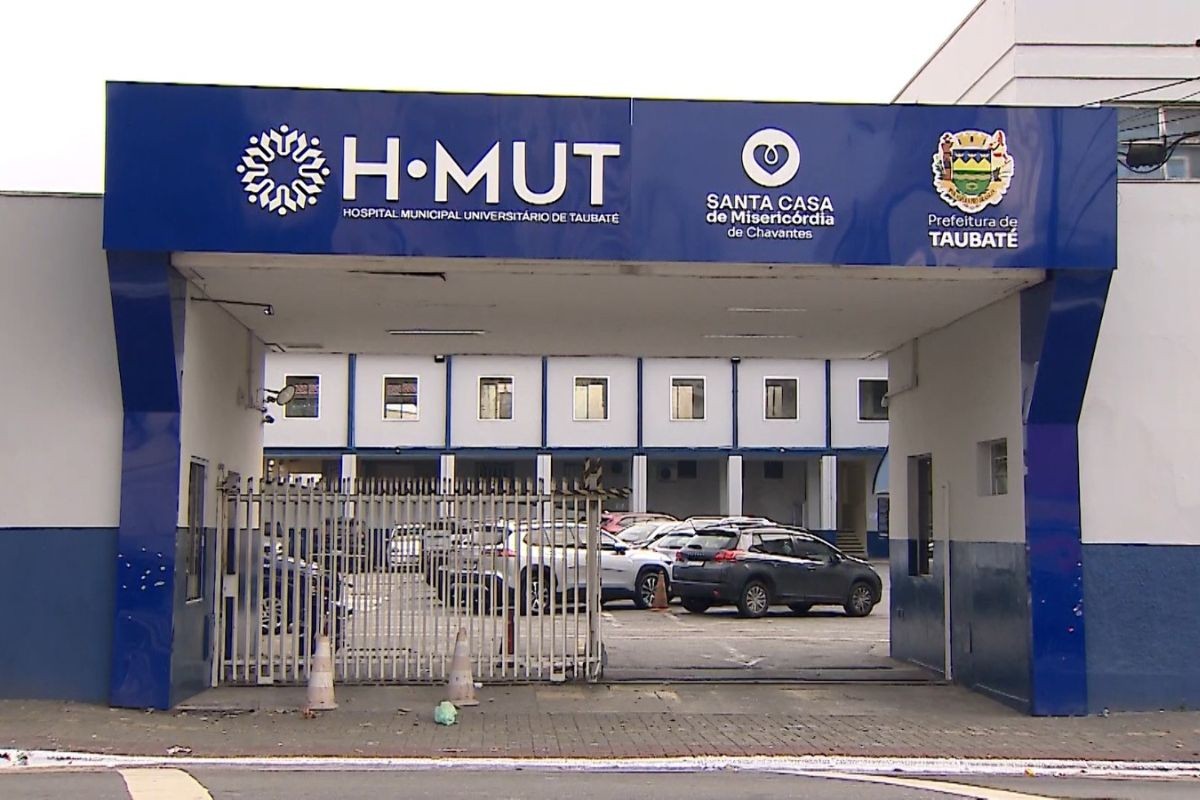
The Taubaté City Hall has outlined its plan for an emergency contract to manage the Municipal University Hospital of Taubaté (HMUT) as its current agreement with Santa Casa de Misericórdia de Chavantes nears its end on August 1st. Three social organizations, all technically qualified and ranked among the top ten nationally by the city, have been invited to assume provisional management. This emergency measure aims to ensure a seamless transition and prevent any disruption in patient care. A new permanent contract for hospital administration is estimated at R$11 million per month, an increase of R$1.6 million attributed to inflation adjustments. The initial term for this permanent contract will be 12 months, with potential for extension. The current manager, Santa Casa de Chavantes, stated they were not invited to provide a quote for the emergency contract and questioned the selection of only three organizations from a pool of over 30 qualified entities, deeming it a breach of regulations. They also noted that no court ruling mandates a change in management and expressed surprise at not being consulted, given their familiarity with the hospital's operations and their current management practices. The hospital, which handled over 335,000 services last year and serves as a regional reference, is facing scrutiny over the transition process, with patients and staff awaiting clarity on the future of their care.
The Taubaté city administration's move towards an emergency contract for HMUT management highlights the complex interplay between public service provision and organizational governance. By bypassing a full bidding process for an interim solution, the municipality aims to ensure operational continuity, a critical objective given the hospital's regional importance and high patient volume. However, the exclusion of the incumbent operator, Santa Casa de Chavantes, from the emergency selection process, despite their stated qualifications and operational experience, raises questions about transparency and adherence to principles of equal opportunity in public contracting. This situation underscores the inherent tension between the need for swift action in public administration and the imperative of robust, competitive procurement to secure optimal value and service quality. Future governance models for such essential public health infrastructure may benefit from clearer frameworks that balance emergency response needs with established principles of fair competition and stakeholder engagement, thereby mitigating potential legal challenges and fostering greater public trust.
AI-generated to prompt reflection — not editorial opinion, not advice, not a statement of fact. How this works.