Tax Stability Debate Belongs to Congress, Not Constitutional Court
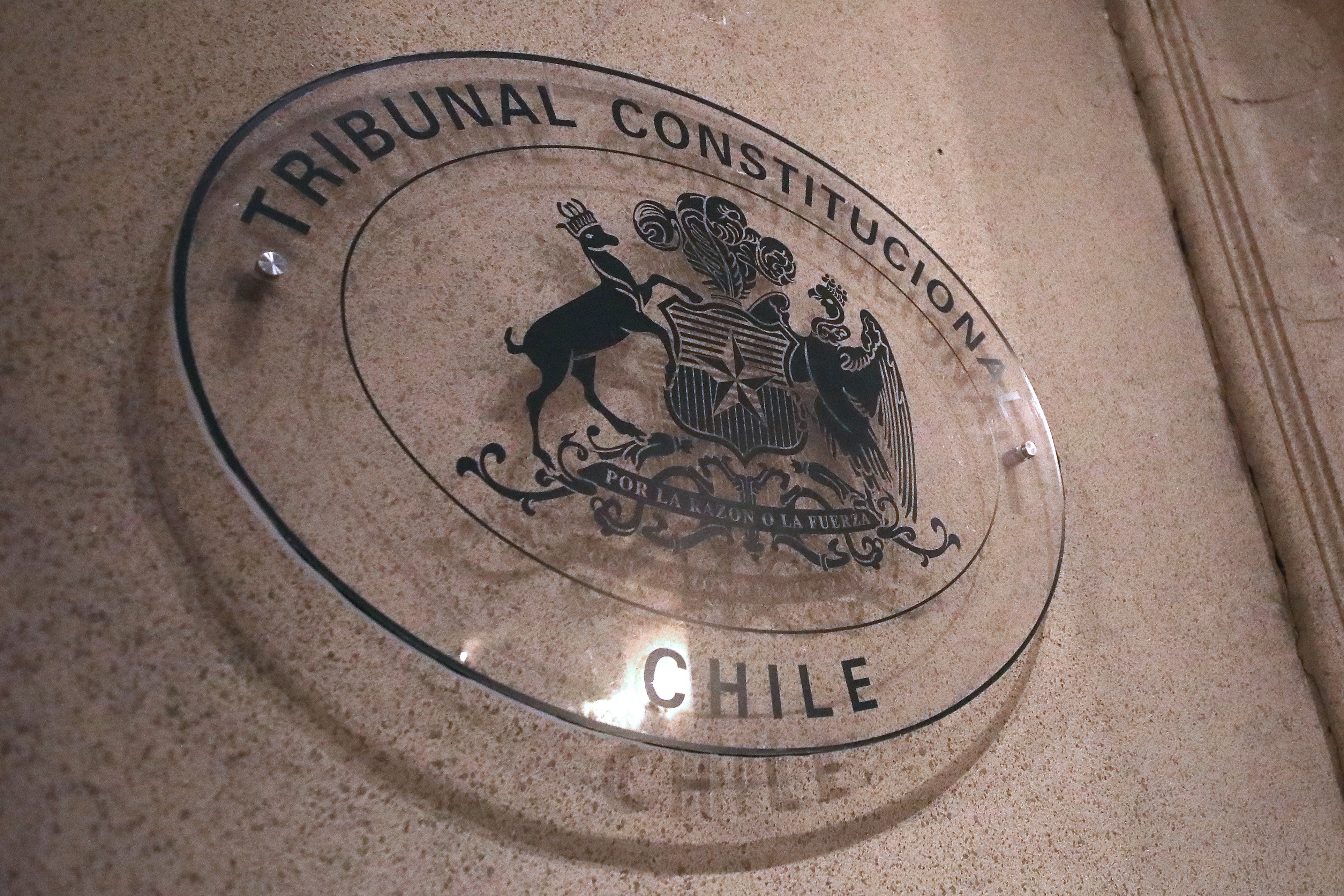
Critics argue that a proposed tax stability regime in Chile's National Reconstruction bill violates constitutional articles 4 and 5 by limiting the legislative power of future governments. They contend this infringes upon the sovereignty of future administrations and congresses. However, the author posits that this view contains a conceptual error regarding state sovereignty. True sovereignty, he argues, includes the capacity for self-limitation, such as establishing immutable rules or requiring a supermajority for amendments. By committing to tax stability, legislators exercise state power to create binding commitments for the future, akin to agreements with investors, retirees, or children, through the democratic process of lawmaking.
The more pertinent debate, belonging to the political sphere rather than the Constitutional Court, concerns the merit and design of the tax stability measure. While tax uncertainty discourages investment, particularly in capital-intensive, long-term projects, freezing the tax system for decades is not the sole solution. Evidence suggests that the primary investment deterrent is instability in the interpretation of tax laws, an issue the bill attempts to address by extending stability to administrative interpretations from the SII (Internal Revenue Service).
However, a broad tax stability guarantee, especially if tied to a low investment threshold and extended over decades, risks benefiting projects that would have proceeded regardless. This risk is amplified as the provision applies to both foreign and Chilean investments, potentially transferring income rather than generating new investment. Poorly designed, the tool could become an implicit subsidy for large national taxpayers and an unnecessary constraint on future fiscal policy. While stabilizing SII's administrative interpretations is a correct objective, its practical implementation may be complex. Ultimately, these are technical improvements within Congress's purview, not constitutional matters. The recent cross-party agreement to refine the proposal demonstrates this, suggesting that claims of unconstitutionality may be a political tactic to avoid legislative debate.
This article critiques the framing of a tax stability debate, arguing that objections based on constitutional sovereignty are misplaced and that the core issues are matters of policy design for the legislature. The analysis highlights the tension between ensuring investor certainty, which can stimulate economic activity, and maintaining fiscal flexibility for future governments. An overly broad or prolonged tax stability guarantee, while intended to attract investment, could inadvertently subsidize existing domestic capital and restrict the state's ability to adapt its fiscal policy to evolving economic needs or social priorities over the next decade. The author suggests that the debate's shift to the Constitutional Court may represent an attempt to circumvent political negotiation and legislative refinement, underscoring the importance of robust public discourse on the trade-offs inherent in such economic policy instruments.
AI-generated to prompt reflection — not editorial opinion, not advice, not a statement of fact. How this works.