Tax Stability Measure Faces Constitutional Challenge, Potentially Boosting Investment
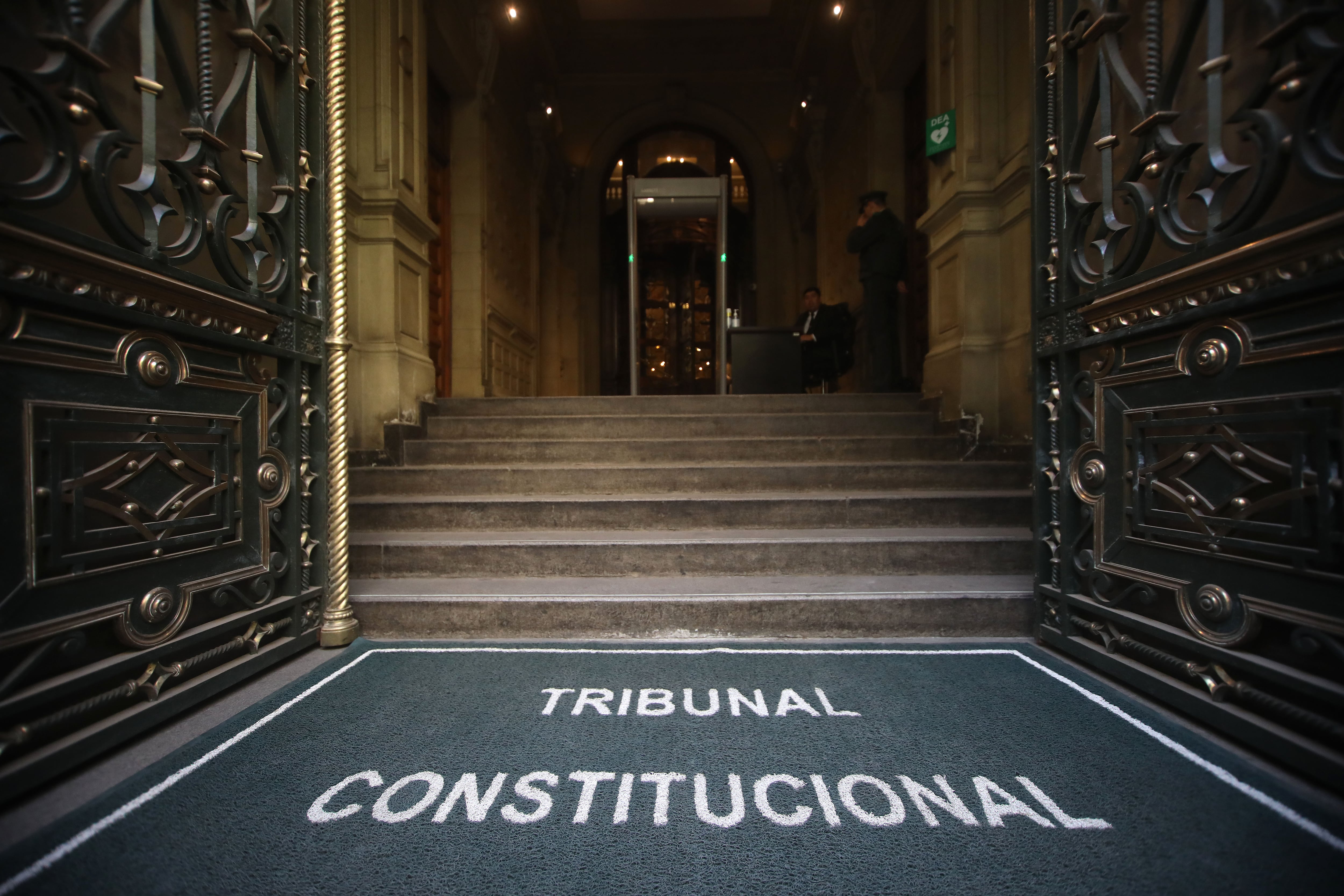
Chile's Congress has approved a key provision for its National Reconstruction project, introducing a tax stability mechanism for new investments. This mechanism, termed 'invariabilidad tributaria,' acts like an insurance policy. Investors can opt to pay an additional 1.5 percentage points on top of the corporate tax rate. In return, their project is shielded from future increases in the first-category tax for 10, 15, or 20 years, depending on the investment amount. This protection specifically applies to corporate taxes, not personal income taxes as some experts have suggested. However, 21 opposition senators have filed a challenge with the Constitutional Court (TC). They argue that the current majority should not restrict the taxing powers of future governments and legislatures for up to two decades. Furthermore, they contend that it creates inequality by safeguarding certain investments from legal changes that could affect other taxpayers. The article highlights a paradox: if the TC challenge fails, it might inadvertently encourage more investors to adopt the tax stability measure, contrary to the opposition's intentions. The decision to opt for this stability depends on comparing the cost of the premium against the expected benefit of protection. Higher perceived probabilities and magnitudes of future tax hikes make the stability option more attractive. The author illustrates this with an example of a large energy project, calculating the probability threshold required to justify the premium. The mechanism also allows investors to exit the stability regime and revert to the standard tax system, though they cannot re-enroll later. This exit option makes the initial enrollment more appealing, as it limits the downside risk. The TC challenge itself could be interpreted by investors as a signal of increased tax uncertainty, thus raising the perceived value of the protection and potentially leading more to subscribe to the stability regime or to postpone their decision to exit it.
The introduction of a tax stability mechanism for new investments, while intended to foster long-term economic confidence, presents a complex interplay between legislative intent and market response. The opposition's challenge to the Constitutional Court highlights a fundamental tension in fiscal policy: balancing the need for predictable investment environments with the sovereign right of future governments to set tax policy. The analysis suggests that the very act of challenging the measure could paradoxically increase its adoption by signaling future tax uncertainty. This underscores how political actions, even those aimed at obstruction, can inadvertently shape investor behavior by altering risk perceptions. From a long-term perspective, such mechanisms raise questions about market efficiency and the potential for creating bifurcated tax systems that may disadvantage entities not covered by stability agreements. Future policy discussions might need to consider frameworks that provide investment certainty without unduly constraining fiscal flexibility or potentially creating unintended market distortions.
AI-generated to prompt reflection — not editorial opinion, not advice, not a statement of fact. How this works.