Tea Farm Subscription Service Revitalizes Abandoned Farmland
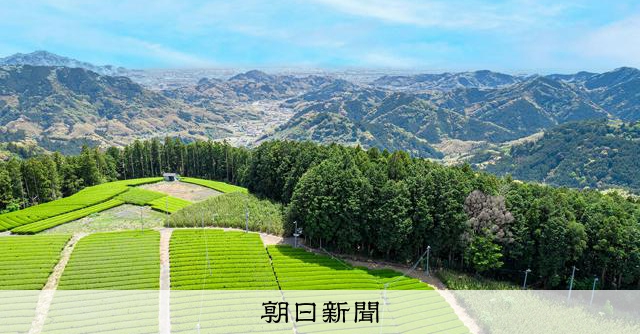
A Japanese entrepreneur, originally from a tea farming family, has launched an innovative subscription service aimed at revitalizing abandoned farmland. This "tea farm subscription" model allows individuals to financially support the cultivation of tea on land that would otherwise fall into disuse. The initiative seeks to address the growing problem of agricultural land abandonment, particularly in rural areas where farming populations are aging and younger generations are not taking over. By providing a direct financial incentive and a connection to the land, the entrepreneur hopes to encourage the continued cultivation of tea and preserve valuable agricultural resources. The service essentially allows subscribers to "own" a portion of a tea farm, receiving benefits such as regular updates on the farm's progress and potentially a share of the harvest. This approach not only helps maintain the tea fields but also supports the livelihoods of tea farmers. The entrepreneur's background in tea farming provides a unique understanding of the challenges and opportunities within the industry. This venture represents a novel solution to a persistent agricultural issue in Japan.
This initiative leverages a subscription model to address the systemic issue of agricultural land abandonment in Japan. By creating a direct financial link between consumers and previously disused farmland, the entrepreneur is incentivizing the preservation of tea cultivation. This approach bypasses traditional agricultural support structures, potentially offering a more agile and market-driven solution. The model's success will likely depend on its ability to scale, maintain subscriber engagement, and ensure equitable returns for participating farmers. Looking ahead, similar subscription-based models could be explored for other agricultural products and regions facing similar demographic and land-use challenges, fostering a more resilient and diversified rural economy.
AI-generated to prompt reflection — not editorial opinion, not advice, not a statement of fact. How this works.