Teach Children 'Ika-no-Osushi' Safety Rules for Summer Break
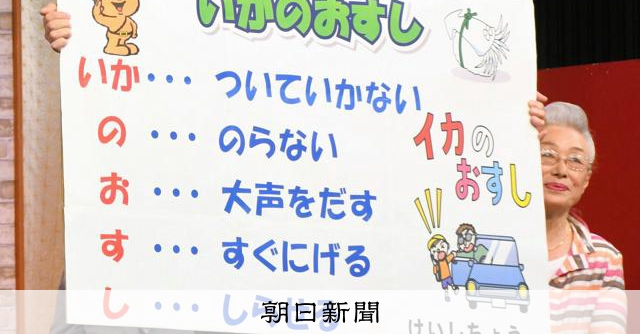
Authorities are urging parents and guardians to teach children the "Ika-no-Osushi" safety mnemonic to protect them during the summer vacation period. This phrase serves as a crucial reminder for children to stay safe from potential dangers such as abduction and accidents. The campaign aims to equip young individuals with essential safety knowledge as they enjoy their time off from school. "Ika-no-Osushi" is a Japanese acronym designed to be easily remembered by children. It stands for "Ika-nai" (Don't go), "Ki-nai" (Don't get in), "O-chi-nai" (Don't go into), "Su-nai" (Don't do it), and "Shi-ra-nai" (Don't tell). These simple commands cover fundamental safety precautions. Specifically, "Ika-nai" advises children not to go with strangers. "Ki-nai" warns them against getting into unfamiliar vehicles. "O-chi-nai" cautions against entering dangerous places. "Su-nai" reminds them not to do anything suspicious or risky. Finally, "Shi-ra-nai" teaches them not to reveal personal information to strangers. By internalizing these rules, children can better recognize and avoid dangerous situations. The summer break, while a time for fun, also presents increased risks for children due to more unsupervised time and potential encounters with strangers. This initiative seeks to mitigate these risks through proactive education.
The "Ika-no-Osushi" campaign leverages a memorable acronym to impart fundamental child safety principles, addressing common risks like stranger danger and unsafe situations during school holidays. This approach democratizes safety education, making it accessible and understandable for young children. As society increasingly relies on digital interactions, reinforcing these basic physical safety rules remains critical. The long-term effectiveness hinges on consistent reinforcement by caregivers and educational institutions, ensuring these principles are not just memorized but internalized as habitual behaviors. Future iterations could explore integrating these concepts into interactive digital platforms, aligning with children's evolving media consumption, while carefully balancing screen time with essential real-world awareness.
AI-generated to prompt reflection — not editorial opinion, not advice, not a statement of fact. How this works.