Teacher Faces New Amputation Risk After Decades of Medical Battles
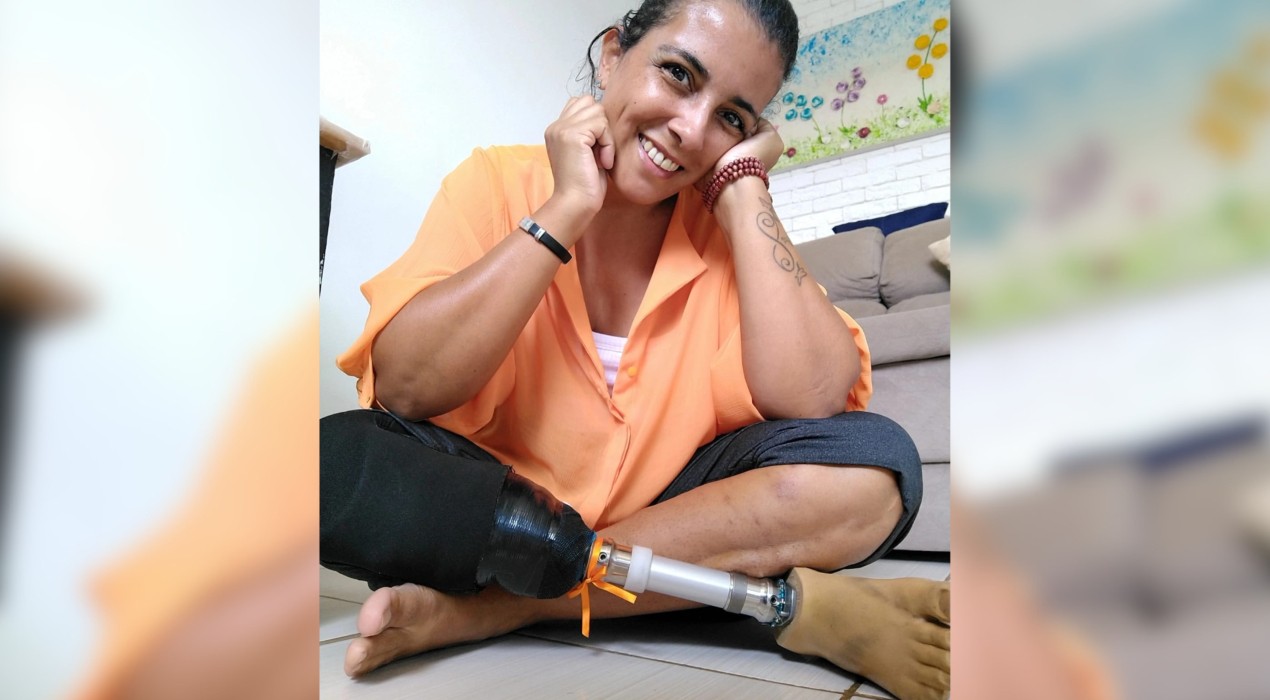
Fabiana Nunes Moraes, a 46-year-old teacher from São Roque, SP, Brazil, is facing a critical juncture in her decades-long struggle for mobility following a severe accident. In 1995, at age 15, she was simultaneously struck by a train and bitten by a snake, an event that led to over 20 surgeries in her first year of treatment and a long journey of medical complications. For over two decades, she underwent reconstructive procedures to save her right leg, but eventually developed chronic osteomyelitis, a deep bone infection. In 2017, irreversible damage necessitated an amputation below the knee. Her medical challenges continued, requiring further bone removal in 2020 due to fitting issues and another surgery in February 2025 to remove her fibula after a new infection emerged. The current crisis stems from accelerated volume loss in her residual limb, causing her existing prosthesis to become loose. This leads to severe skin abrasions with every step and a high risk of falls. The situation is complicated by a metallic plate in her femur from the original accident, meaning continued friction could reactivate the bone infection. Doctors have recommended an advanced endoskeletal prosthesis with active vacuum pumping, which self-adjusts to volume changes. However, the estimated cost of this treatment and rehabilitation is nearly R$40,000 (approximately $7,500 USD), a sum beyond her family's means. Friends and relatives have launched an online fundraising campaign to help Fabiana acquire the necessary prosthesis and avoid further extreme surgeries, such as femur amputation or total hip disarticulation, which could result in the permanent loss of her mobility.
Fabiana Nunes Moraes's case highlights the long-term, compounding effects of severe trauma and subsequent medical interventions. The narrative underscores the critical need for advanced prosthetic technology to adapt to the body's ongoing changes, especially for individuals with complex medical histories involving bone damage and infection. The financial burden associated with cutting-edge medical devices presents a systemic challenge, raising questions about equitable access to care for complex, chronic conditions. As medical technology evolves, the disparity between available solutions and affordability could widen, potentially forcing individuals into difficult choices between health and financial stability. This situation prompts consideration of how healthcare systems can better support patients requiring specialized, long-term adaptive equipment to maintain quality of life and prevent further deterioration.
AI-generated to prompt reflection — not editorial opinion, not advice, not a statement of fact. How this works.