Teacher killed by kite string in Brazil was hit during a kite-fighting dispute, police say
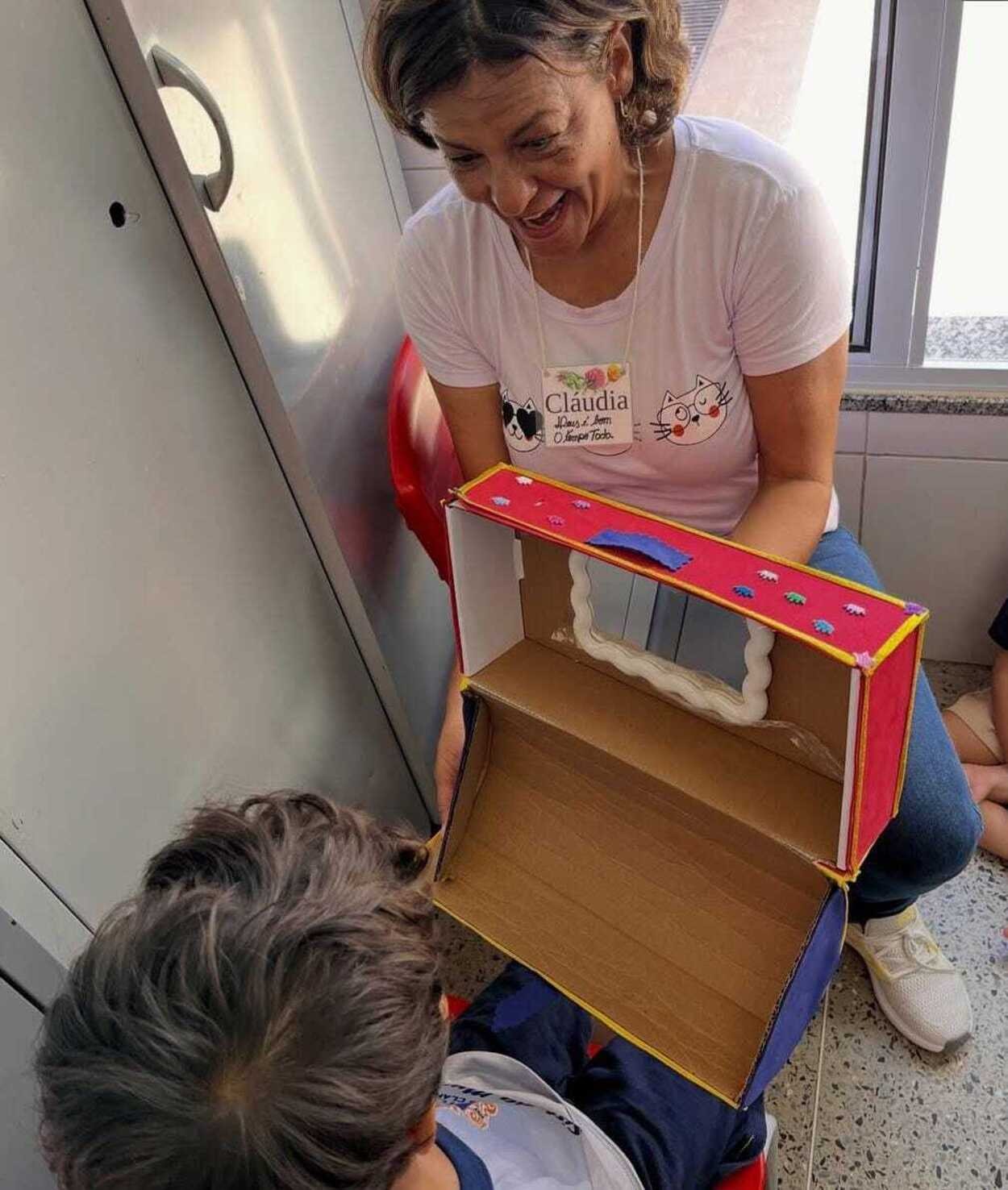
A 57-year-old teacher, Cláudia Morais da Silva, died tragically in Montes Claros, Brazil, after her neck was severed by a "linha chilena" or "cerol" kite string. The incident occurred on June 30th as she was returning home from work on her motorcycle, passing near a soccer field where two young men were engaged in a kite-fighting competition known as "laçada." The police revealed on Thursday, October 30th, that a taut kite string with sharp material struck the teacher in the cervical region, causing a fatal hemorrhage. An autopsy confirmed the cause of death as hypovolemic shock due to significant blood loss. Investigators found a kite reel compatible with the string used at the scene. Witness testimonies led to the identification of two individuals, aged 17 and 18, responsible for the kite. They confessed to finding the "linha chilena" and attaching it to their kite string. During the "laçada" dispute, they lost control of the kite, and when reeling it in, felt resistance, indicating it had snagged on something, likely the victim. Both the adult and the minor have been indicted for homicide, with the adult facing six to 20 years in prison and the minor potentially up to three years of institutionalization. The use of "linha chilena" and "cerol" is illegal in Minas Gerais under state law and local ordinances due to their sharp nature, which can act like a blade and cause severe injuries, especially to motorcyclists and cyclists. The teacher was described as dedicated and beloved by her school community.
This tragic event highlights the severe public safety risks posed by the illegal use of "linha chilena" or "cerol" kite strings. The incident underscores a systemic failure in enforcing existing laws prohibiting these dangerous materials, which are explicitly banned in Minas Gerais due to their inherent lethality. The legal framework classifies the use of such strings as a crime of "danger to the life or health of another," irrespective of the outcome, reflecting a proactive approach to preventing harm. The prosecution of the individuals involved, particularly under the "dolo eventual" (eventual intent) doctrine for the adult, acknowledges the foreseeable consequences of engaging in high-risk activities with prohibited instruments in public spaces. Moving forward, a critical examination of enforcement mechanisms and public awareness campaigns is necessary to mitigate the recurring danger posed by these "invisible obstacles" to unsuspecting road users, particularly in densely populated areas.
AI-generated to prompt reflection — not editorial opinion, not advice, not a statement of fact. How this works.