Teacher's fingers used for bank fraud after murder; decomposition foiled further attempts
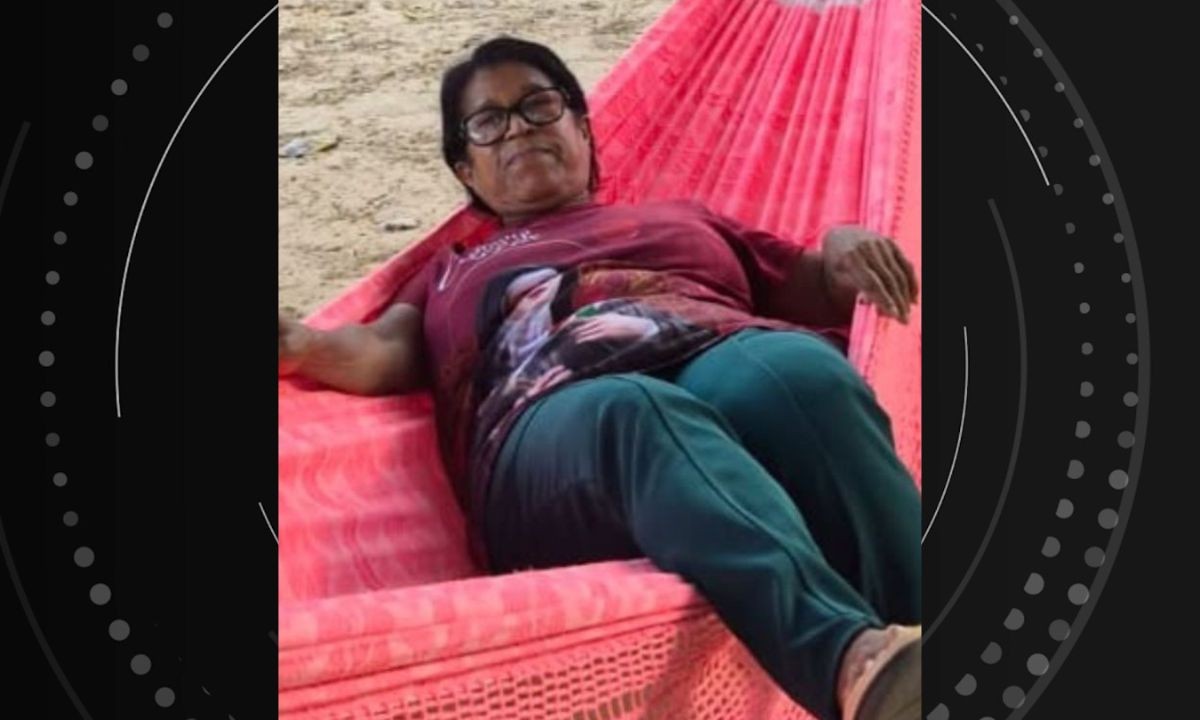
A suspect involved in the robbery and murder of retired teacher Vivaldina de Jesus Bonfim, 64, attempted a second biometric withdrawal using her severed fingers but was unsuccessful due to advanced decomposition. The crime occurred in Santa Rita de Cássia, Bahia, where Bonfim was found dead in her home on June 7th. Investigations revealed that suspect Cristiano Machado de Oliveira severed the victim's fingers to bypass biometric security at a Banco do Brasil branch in Serrinha. Bank records, obtained through a privacy waiver, confirmed three withdrawals totaling R$18,000. The Banco do Brasil has not yet commented on the incident. Four individuals are currently detained in connection with the latrocínio. Three were arrested on July 3rd, and another on June 20th. Two men are held at the Barreiras Detention Center, while two women await transfer to the Jequié Female Penal Complex. Bonfim's body was discovered by relatives in her bathroom, wrapped in a sheet, with visible head and back injuries. The initial suspect was apprehended on a farm after evading an earlier arrest attempt.
This case highlights a disturbing intersection of violent crime and financial fraud, exploiting biometric security vulnerabilities. The perpetrator's attempt to reuse the victim's severed digits for further transactions underscores the limitations of current biometric authentication methods when faced with extreme circumstances and the need for robust identity verification protocols. The incident raises questions about institutional security measures and the potential for sophisticated criminal adaptation. Future systems may need to incorporate multi-factor authentication or more advanced liveness detection to prevent such egregious exploitation, particularly as digital financial access expands. The investigation's progress through financial record analysis demonstrates the crucial role of forensic accounting in modern criminal investigations.
AI-generated to prompt reflection — not editorial opinion, not advice, not a statement of fact. How this works.