Teacher Shortage Plagues Five Schools in Sunamganj's Modhyanagar Upazila
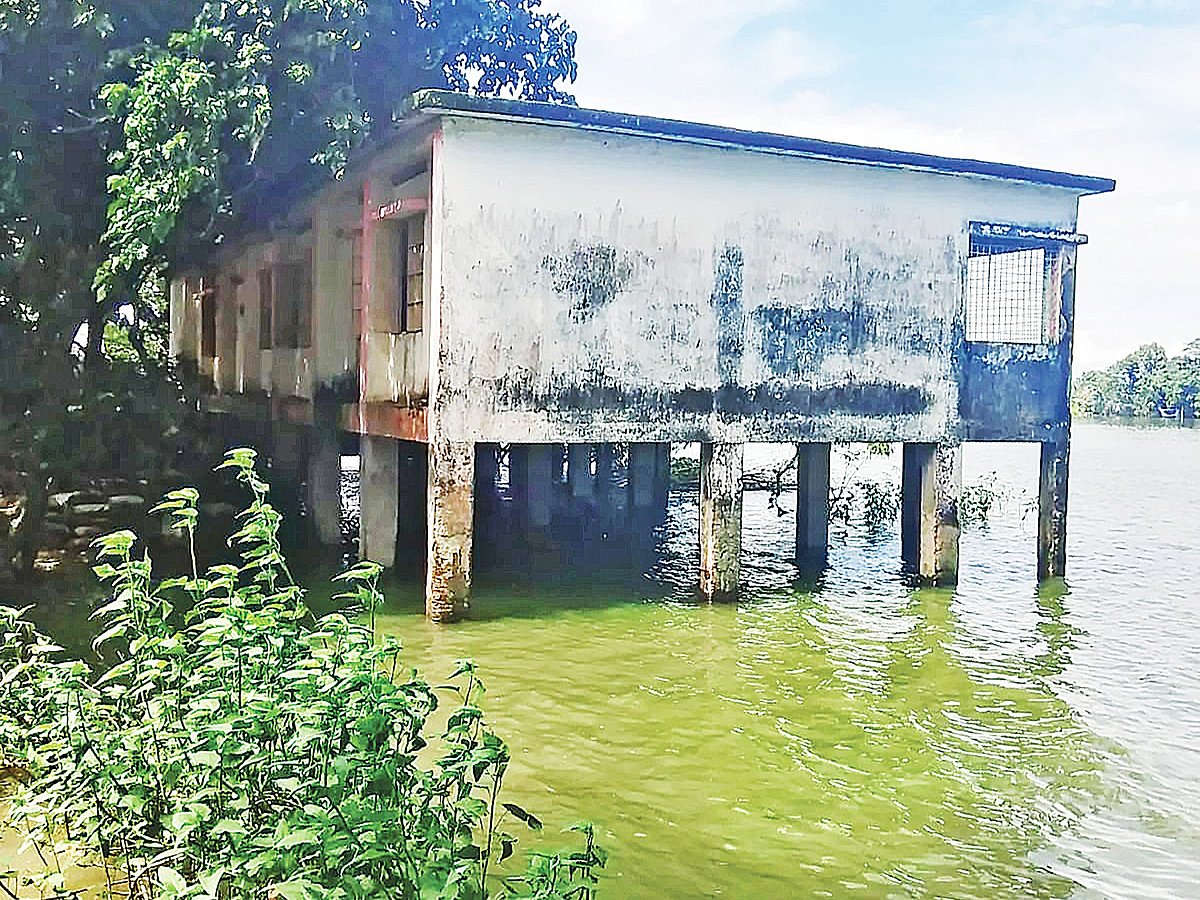
A severe teacher shortage is impacting five schools in the Modhyanagar Upazila of Sunamganj, Bangladesh, leading to significant disruptions in education. In some instances, a single teacher is responsible for managing multiple classes simultaneously, with students from one class waiting while the teacher attends to another. This critical staffing deficit is directly harming the quality of education being provided to students in the region. The situation highlights a systemic issue within the local education infrastructure, where a lack of adequate teaching personnel is compromising the learning environment. The problem is particularly acute in the five affected schools, where the educational process is being severely hampered. The reliance on a single teacher for multiple classes suggests an unsustainable operational model that prioritizes coverage over quality instruction. This scenario poses a long-term risk to the academic development of the students involved. The educational authorities are facing a significant challenge in addressing this widespread teacher deficit.
The severe teacher shortage in Modhyanagar Upazila's schools indicates a critical failure in educational resource allocation and planning. This situation creates an environment where pedagogical quality is compromised, potentially leading to long-term deficits in student learning outcomes and future workforce capabilities. The reliance on single teachers for multiple classes is an unsustainable operational model that strains human resources and diminishes instructional effectiveness. Addressing this requires a systemic approach, potentially involving incentives for educators in underserved areas, innovative deployment strategies, or a re-evaluation of teacher-student ratios in light of evolving educational technologies. The long-term implications for regional development and social equity necessitate urgent and strategic intervention to ensure that educational access and quality are not sacrificed due to administrative oversights or funding disparities.
AI-generated to prompt reflection — not editorial opinion, not advice, not a statement of fact. How this works.